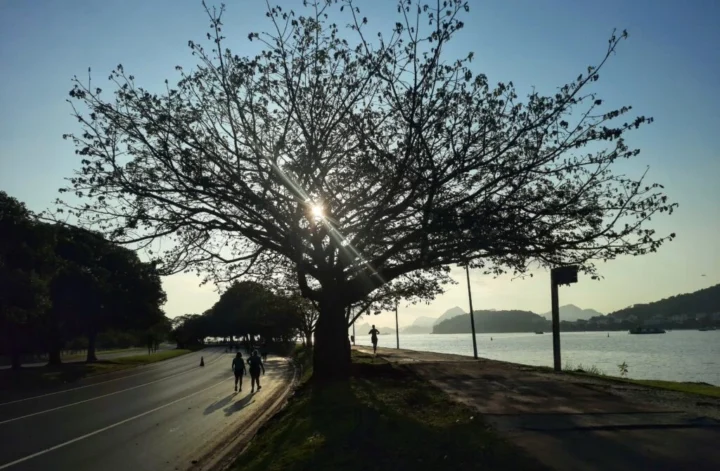
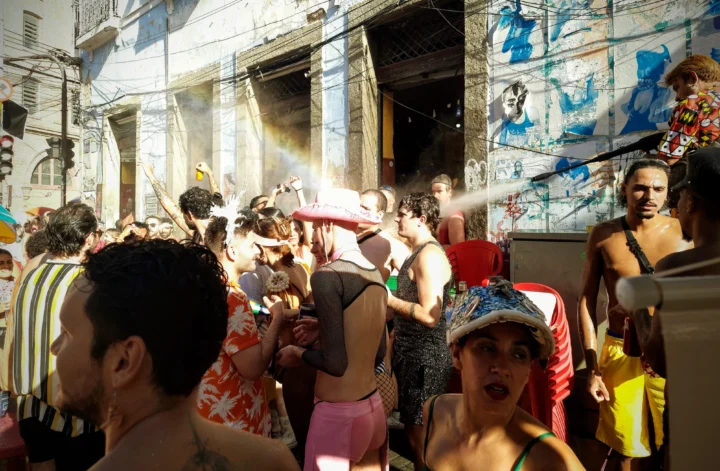
Journalled on Sunday, 17 September 2023 | Flamengo, Rio de Janeiro: 33 degrees, hot and sunny.
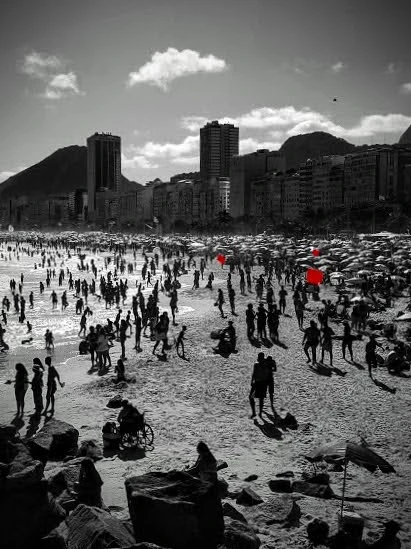
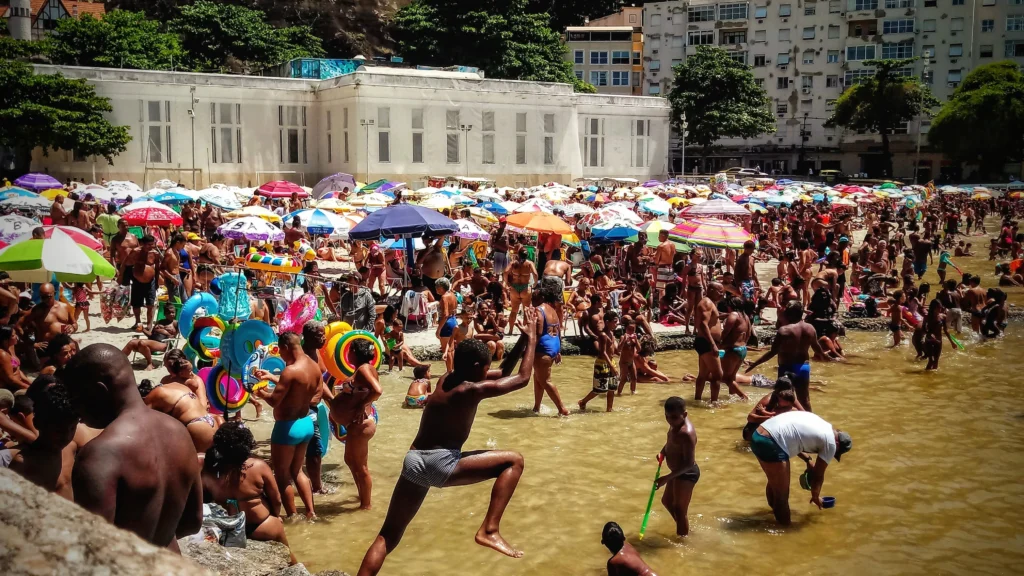
A heat wave has hit Rio, reaching 37°C on a winter day. I have always enjoyed going to the beach in Rio.
Rio’s beaches are like a club, with members of various tribes gathering in specific areas to meet their friends and others. For many years, I frequented Ipanema, and when I moved to Flamengo, I spent many years soaking up the sun and drinking late into the evening on the beach there.
In the last ten years, I have lost the habit of going to the beach regularly. One reason is that there are no beaches in the north zone of Rio. Going from the north to the south zone of Rio without a car in the summer is hell.
Even with a car, it can be challenging because of heavy traffic, large crowds, and a lack of parking spaces. The risk of being mugged on the beach or getting caught up in a confrontation is also real; you must be careful.
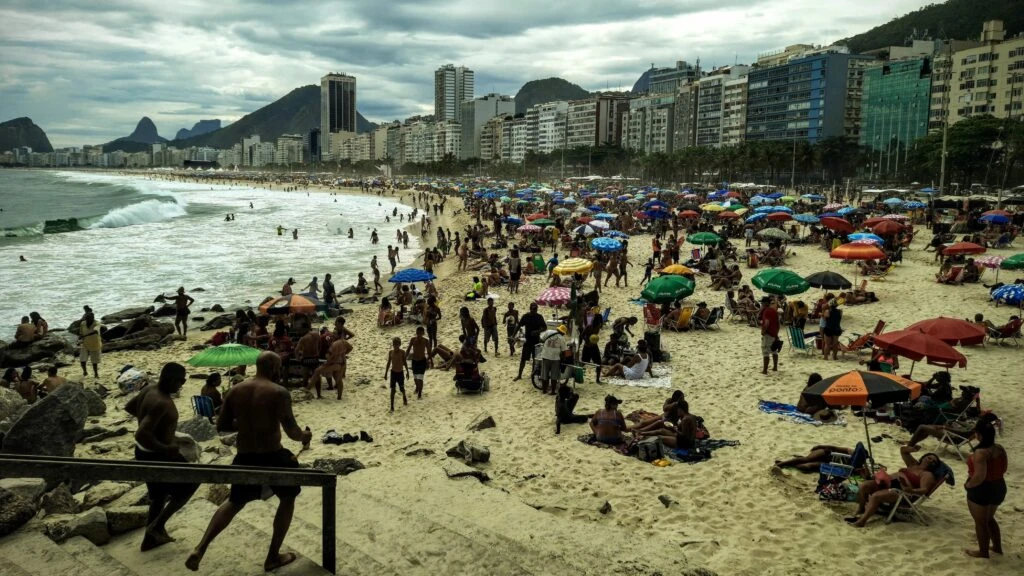
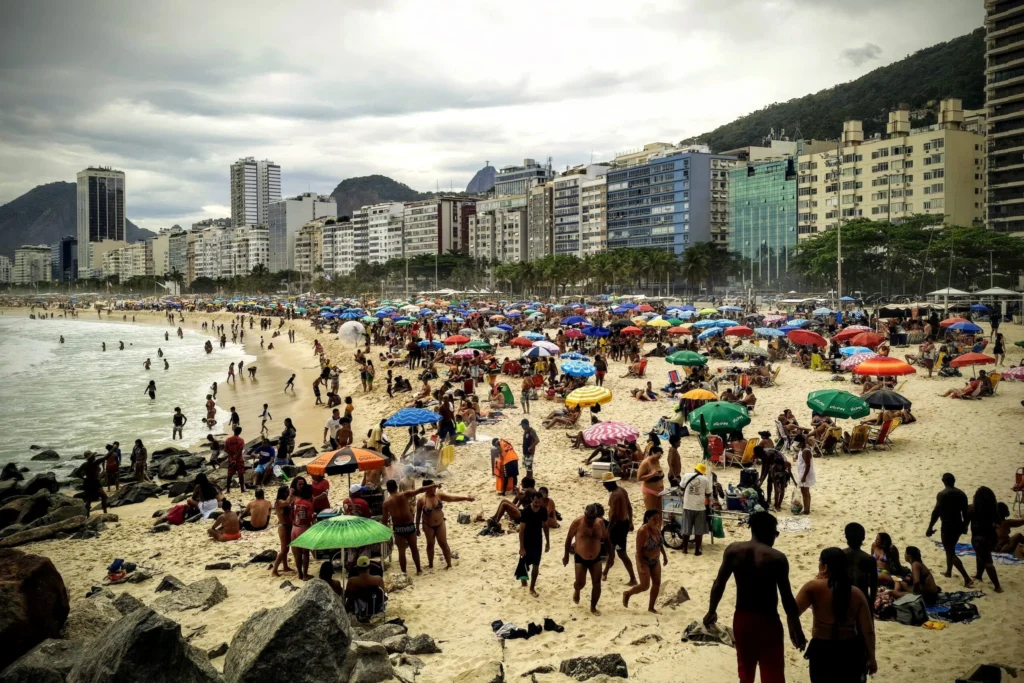
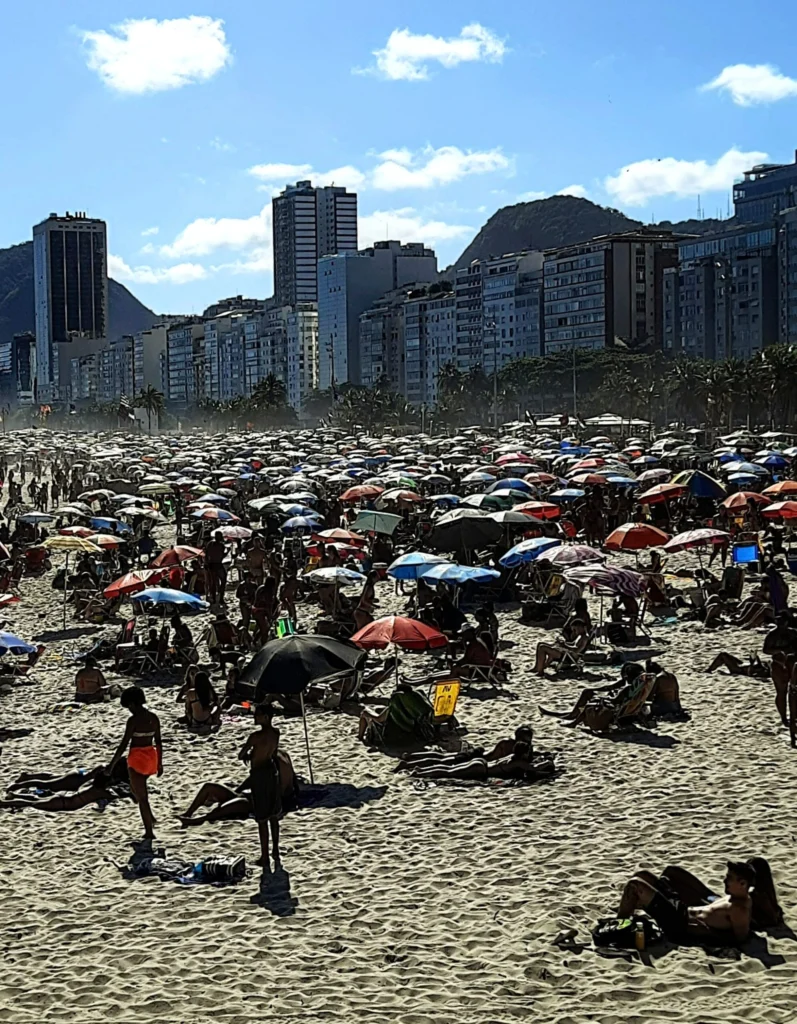
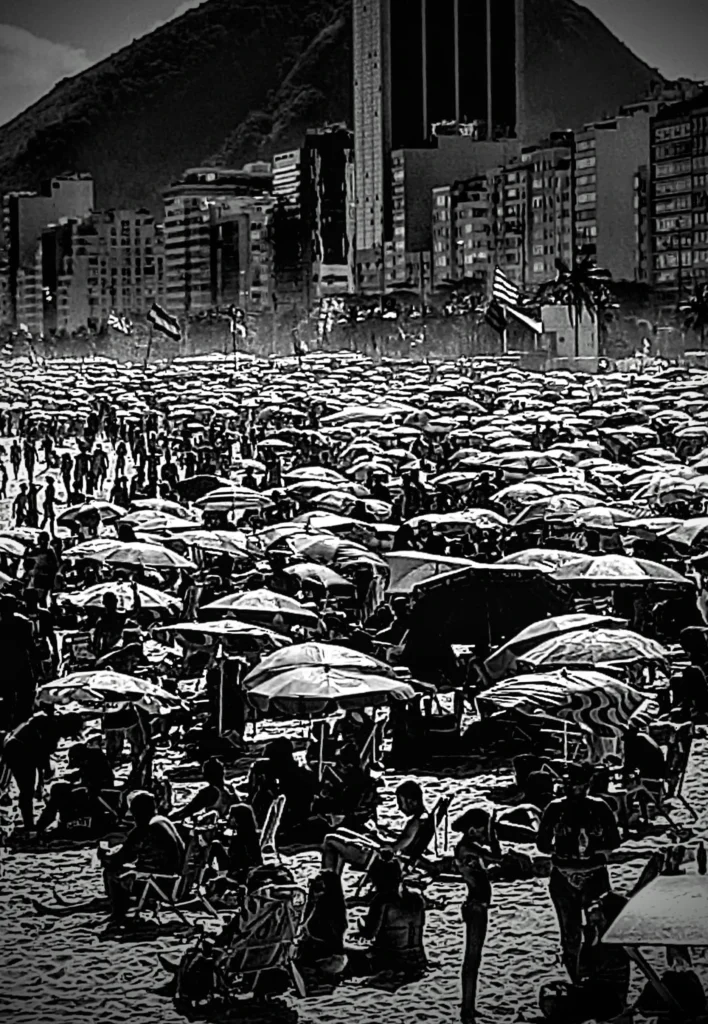
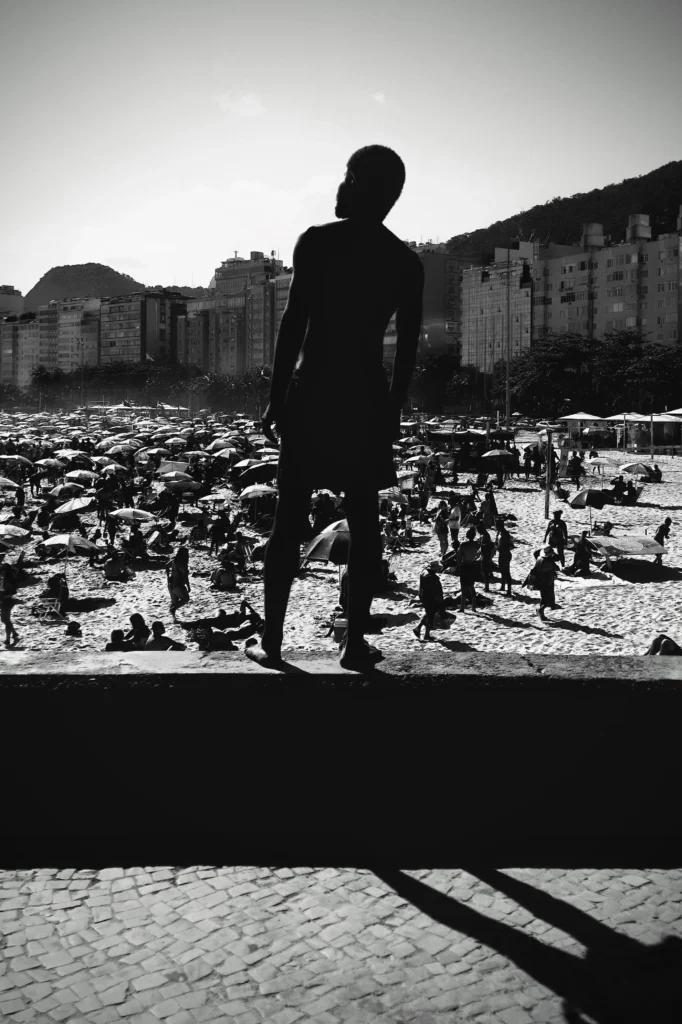
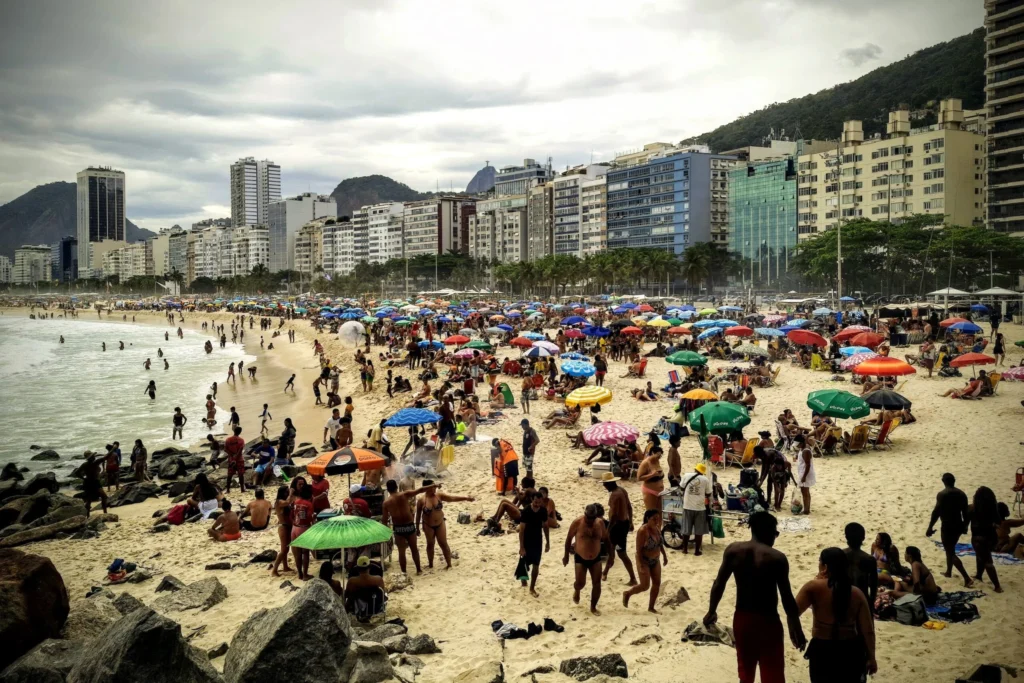
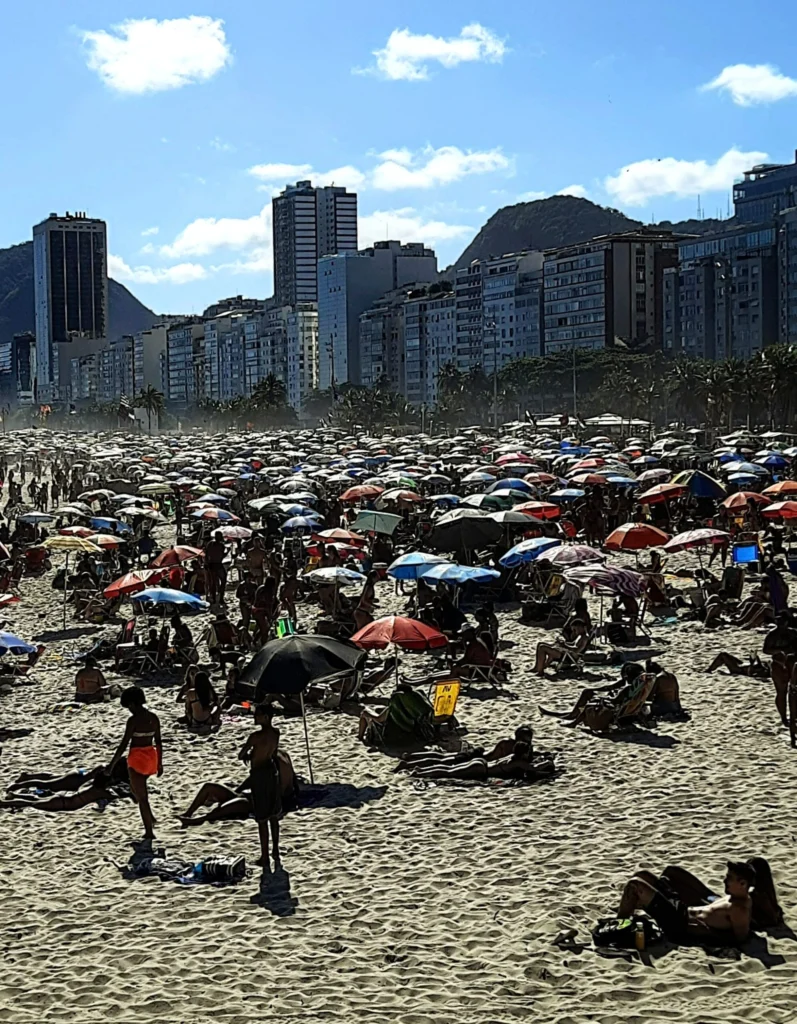
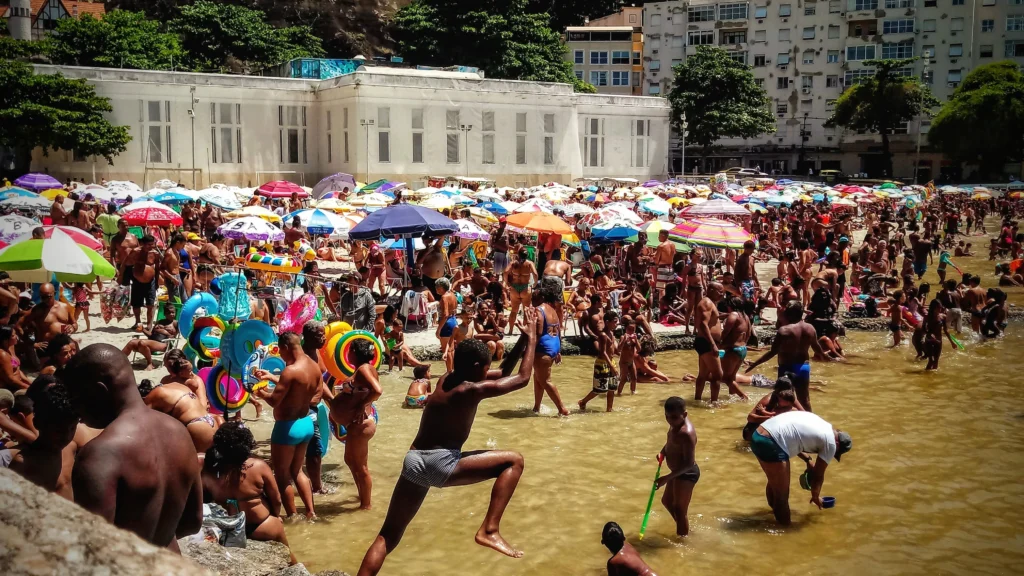
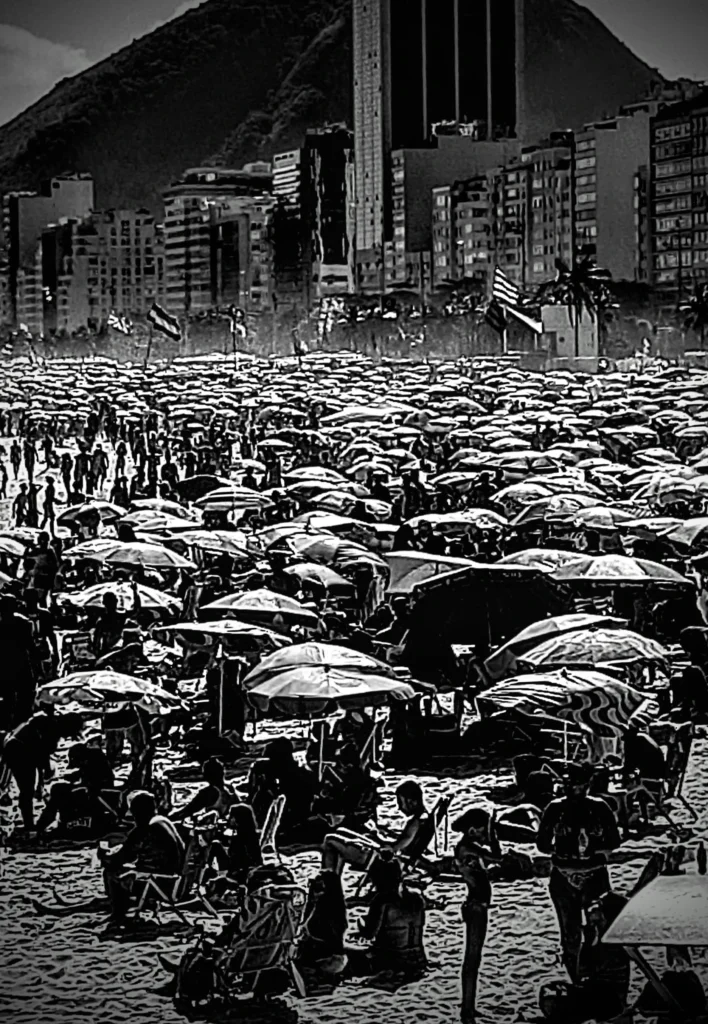
Everybody loves going to the beach, but in the summer, everything is multiplied by a factor of ten: both the good and the bad. Nowadays, I do not find going to the beach pleasurable. There are so many people that you find it difficult even to reach the water. You must dodge and weave through a sea of people, sun umbrellas, and personal belongings scattered around. It is a chaotic mess.
And not to forget, walking on the sand in the summer, when it is 40-plus degrees Celsius at midday, can hurt. It is hard, if not impossible, to stay barefoot on the scorching-hot sand. You must wear flip-flops, or it feels like walking on hot coals.
I once heard that cariocas traditionally go to the beach only in the summer.
It is not 100% true, but there is some truth to it. During the off-season, fewer people go to the beach, and the same is true of seaside towns. Outside Rio, where people have beach houses or want to visit a neighbouring town for a long weekend, these places are overflowing with people during the summer months and almost deserted for the rest of the year, except on bank holidays.
Walking along a deserted beach is heavenly. However, doing so on an urban beach in Rio is only enjoyable when it is out of season and without the sun. As I have mentioned, people from the North Zone migrate to the South Zone. Rivers of people travel by bus, train, car, metro, and plane to the beaches of the South Zone and the West Zone for a summer escape.
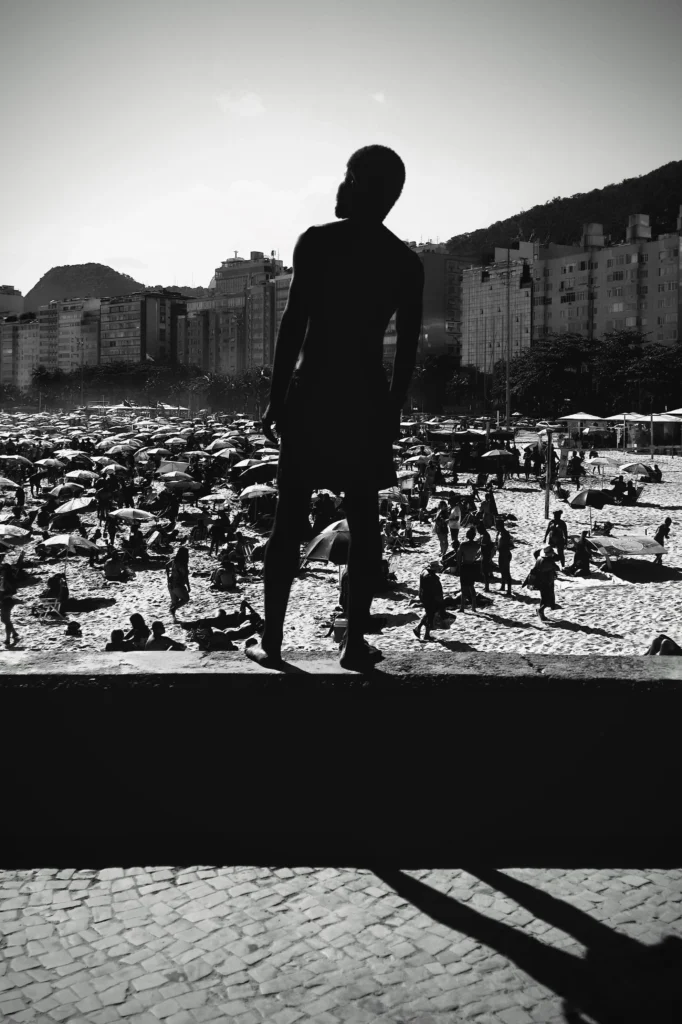
Copacabana is one of the most famous neighbourhoods and beaches in Rio.
It is always bustling with residents, people from the North Zone, and tourists from inside and outside Brazil. For a long time, Copacabana has been considered more of a small town. It has everything you need, with all forms of trade and people.
When my mother visited in the past, she was afraid of Copacabana because of the crowds in the streets. She was not used to seeing so many people walking at once, which can be very intimidating for those not accustomed to it. It is important to remember that Rio has a population of more than six million, and Copacabana itself has 200,000 residents.
Six million people in a seaside city is a lot. I am English, and we usually associate seaside towns with small, often seasonal, summer towns with low populations. So, when we talk about Rio, we must remember that it is an enormous metropolis with six million people, more than London.
Copacabana itself is just one neighbourhood with more than 200,000 people. Some towns in England do not have a population of 200,000.
Moving back to Flamengo has been a pleasant surprise for me. It is more residential, with less movement than Copacabana, and, obviously, much quieter and lighter. Both neighbourhoods have their advantages and disadvantages. I lived in Copacabana for two years and had a perfect time there. But now, returning to Flamengo, which is more residential and family-oriented, feels so nice.
The truth is, wherever I am, I am happy. If I could live in Rocha, one of Rio’s ugliest neighbourhoods, and still have a good time and make good friends, I could live anywhere. It all comes down to making the most of what you have, because there is always some compromise in life, no matter where we are or what we are doing or living.
I walked around the neighbourhood and in the park with Perola. I had lunch, then worked on the computer, trying to relax in the heat. It was just a simple day. The middle of the month has passed, and I want to finish the second website by the end of the month. It can only go with being done.
In bed by 9.30 pm.
Thank you.
Thanks for reading this blog post. Please explore my other posts and share your thoughts in the comments section.
Richard