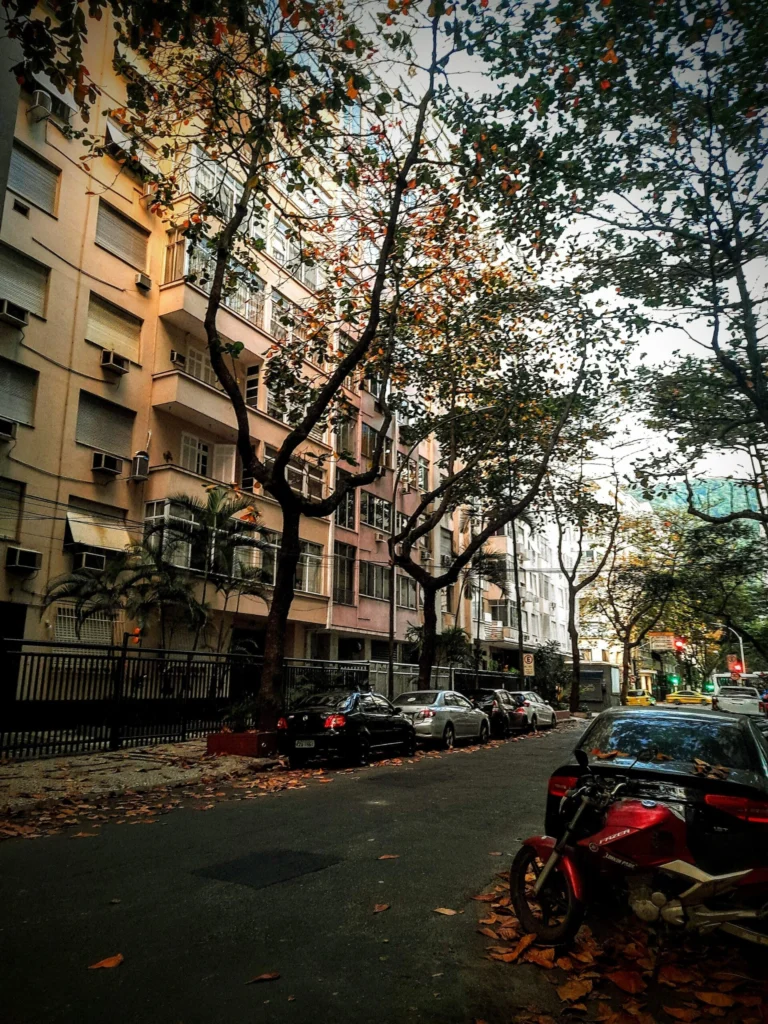
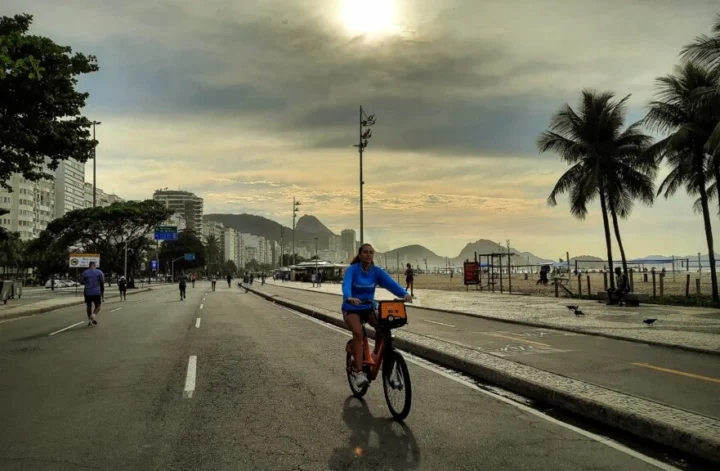
Journalled on Thursday, 31 August 2023 | Flamengo, Rio de Janeiro: 25 degrees, warm, cloudy but slightly sunny.
Now I need to press on with the second site, “Place beads,” and prepare the first posts of “The long gringo.”
The first posts of “The Long Gringo” won’t be journal posts but introductions to the world. It’s already been prepared; I just need to find some good photos to go with it.
So, everything is on track now; it’s just a question of consistency. It’s like working out: you won’t see or expect results right away. If you give up before then, you will never know what could have been.
The weather is clearing up after a very rainy weekend. There was heavy rain on Friday, Saturday, and Sunday, but each day was a little better than the last. We are used to a bit of rain here. When it rains, it can sometimes rain hard, resulting in heavy showers that cause mass flooding in many parts of the city. However, this doesn’t happen that often, mainly in the summer with tropical storms.
Unfortunately, there is a lot of litter in Rio.
Brazilians are not very educated, at least when it comes to keeping the streets clean. It is normal to see litter scattered on the streets and roads all over Rio, more so in the poorer north, but even in the more affluent South zone. Comparing it with England is incomparable.
Fortunately, there are street cleaners from Comlurb, the state company responsible for street cleaning and garbage collection. They wear orange uniforms, which makes them easily identifiable. Without them, Rio would be much dirtier.
For me, they are the unsung heroes of Rio de Janeiro.
Regarding this, some individuals scavenge or collect recyclable rubbish. I believe “collectors” is a more appropriate term. Essentially, these individuals collect all the waste and garbage left in the streets by the building porters, usually in the evenings before the Comlurb garbage collection trucks arrive to pick up trash from residential buildings and condominiums.
One of the porters’ responsibilities is to place all the garbage in large black plastic bags for collection. On the day the garbage trucks come, the porters empty the large garbage bins in front of their buildings. The collectors are present beforehand, waiting, then open all the black plastic rubbish bags to look for recyclable items to sell at recycling stations, usually in the north zone of Rio.
When they tear open the plastic bags on the streets, they don’t clean up the mess after themselves but leave enormous piles of rubbish in the open air, in front of buildings or houses. There is a lot of rubbish on some of the best, or principal, streets in Rio de Janeiro.
When the garbage trucks eventually appear, they sometimes can’t clear up all the mess. As a result, some of the rubbish is left in the street. When it rains or there are heavy showers in Rio, this rubbish gets carried into the drains by the force of the water, blocking them and causing massive floods. Although this used to be much more common and worse, depending on the intensity of the rain, it still happens today.
When I was married to Cibele, one night she was stranded in Jardim Botânico, one of the most exclusive neighbourhoods in Rio, due to heavy rain and blocked drains that caused floods. She was trying to get home to Leme, but the main street in Jardim Botânico had turned into a river more than a meter deep. She only managed to get home at 2 a.m. after trying to get back since 6 p.m. the day before.
When it rains, Sao Paulo is a big problem. The city, a metropolis of more than 13 million people, has areas that have become flooded, bringing everything to a halt. Traffic, public transportation, and businesses shut down, leaving people stranded or isolated. It’s a chaotic and messy situation.
So, education teaches us that throwing litter in the street is wrong.
It’s so obvious, even for a child like Yasmin when she was only four or five years old. I remember once we were walking behind someone who threw a sweet wrapper in front of us, and Yasmin immediately called my attention to it.
If a 5-year-old knows what is right, why can’t adults learn the same? It’s a matter of education. We are nothing to ourselves or others without education, good common sense, and knowledge of what is right and wrong.
Brazil is a land of stark contrasts. It showcases both the best and the worst. It can serve as an example to the world in some aspects, while it is a source of embarrassment and shame in others. It is a melting pot of contrast, a plethora of contradictions. What can we do?
It’s Thursday, so I’m tired. I haven’t done as much as I would have liked on the sites today, but that’s okay.
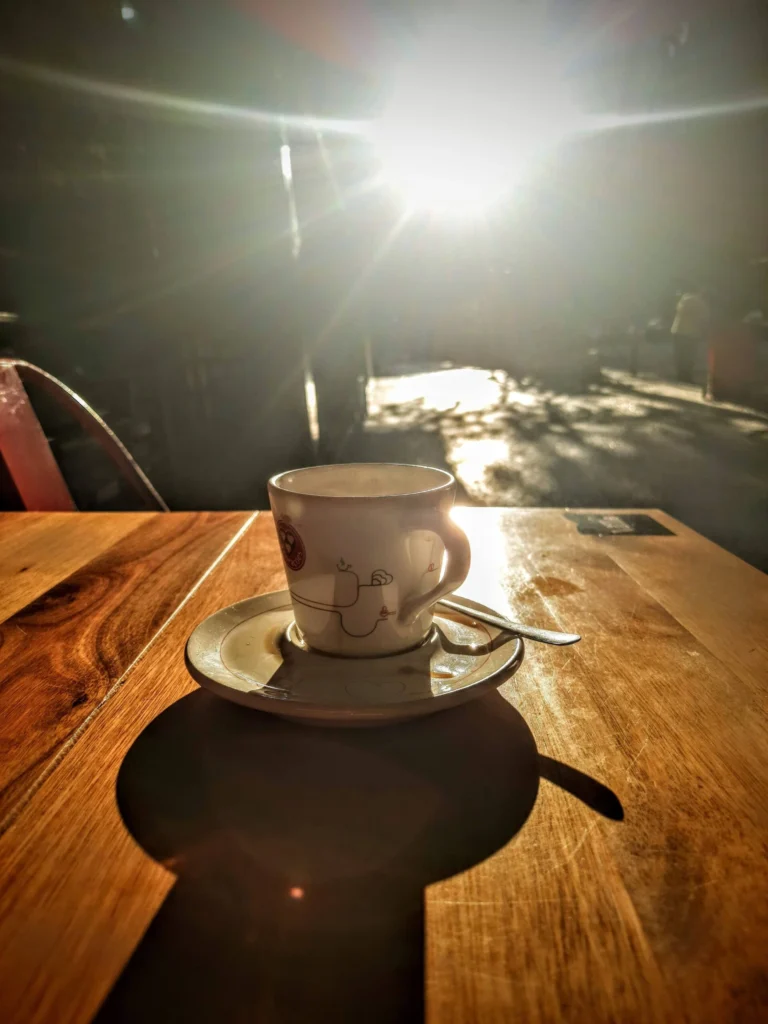
I’ve done some exercise, had some coffee at the Portuguese bakery, written in my journal, and given classes, so I’m making money. I must be naturally grateful for that. Unfortunately, there’s some stress with Yasmin. She still worries me. I hope she wakes up to reality before it’s too late.
In bed by 9.30 pm.
Thank you.
Thanks for reading this blog post. Please explore my other posts and share your thoughts in the comments section.
Richard