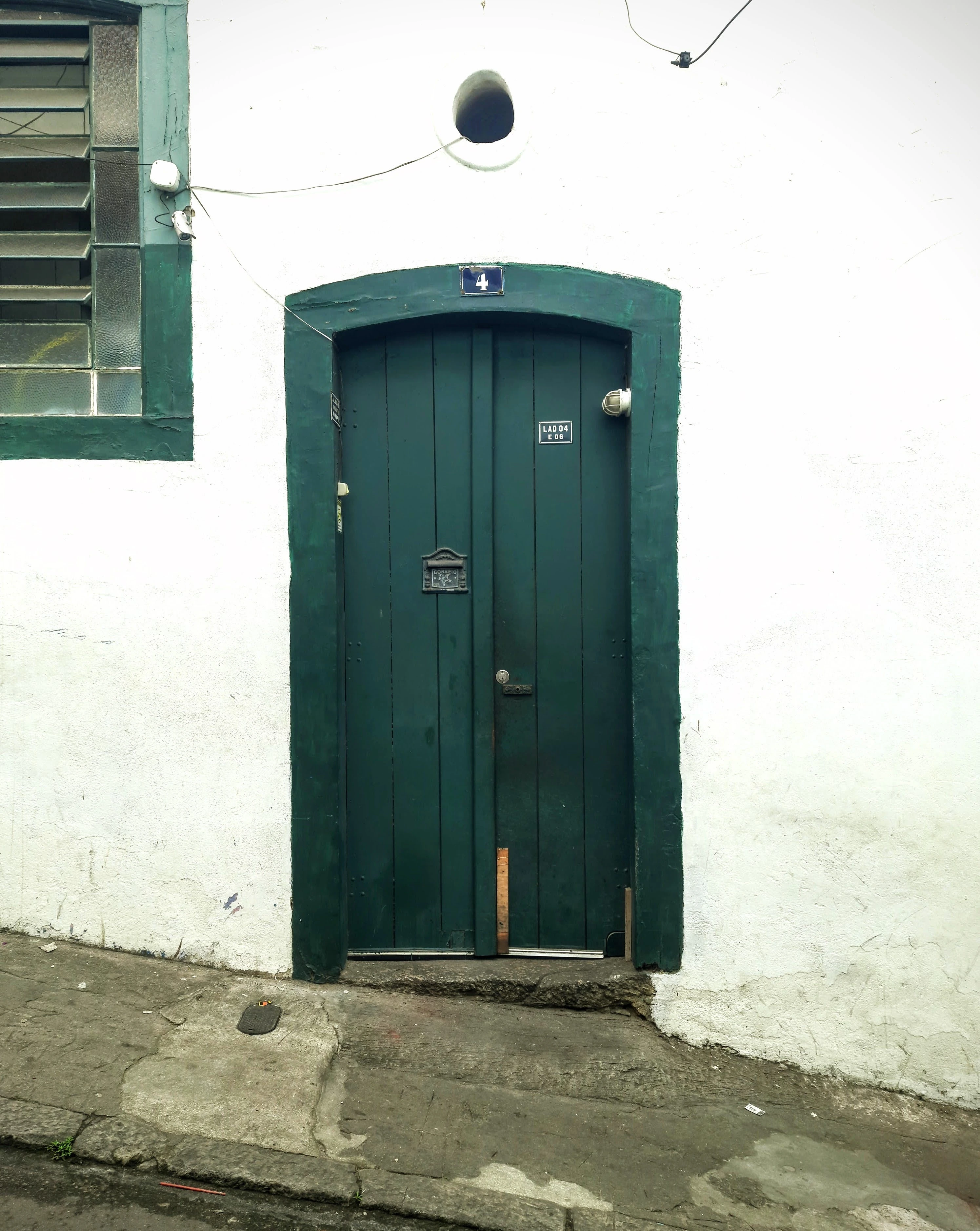
Journalled on Sunday, 31 May 2026, | Santo Cristo, Rio de Janeiro, Brazil: 25 degrees, hot, sunny, and slightly overcast.
Sometimes a small silence can reveal far more than a long conversation.
This post reflects on emotional distance, boundaries, self-respect, and the uncomfortable moment when we realise that love should not require us to abandon ourselves.
I woke up this morning to a message from Julie asking why I had not contacted her since her divorce hearing last Thursday. The last time we spoke, she was on her way to pick up her lawyer for the hearing she had been anxiously waiting for over the past year.
Julie was completely distraught. Her lawyer, an older woman, seemed disorganised, unprepared, and nowhere near ready to go to court. Julie was panicking and asked me what she should do.
I told her to go back into the house, speak to the lawyer, and find out exactly what was happening.
If they were not going to make it to the hearing because of the lawyer’s lack of professionalism, then there was very little Julie could do in that moment. She is not a lawyer, although she could later take action over what had happened.
She then hung up. I heard nothing more until this morning, when she asked why I had not messaged her. To me, it felt like a classic example of attack being used as the best form of defence. Instead of acknowledging that she had disappeared after a highly emotional moment, she turned the question back on me.
Suddenly, I was the one expected to explain myself, when really I felt hurt by her lack of consideration and by the way she failed to recognise my place in the situation.
For me, it felt like a clear sign of a deeper problem: a lack of love, respect, and understanding within our relationship.
And if I have to explain that to my supposed partner, then I have to ask myself some difficult questions. Why am I explaining what should already be obvious? Why have I allowed things to reach this point? And why would I keep searching for love in a relationship that has begun to feel toxic?
At the heart of it, I am talking about respect. When respect disappears, it can become a subtle form of betrayal. If a partner betrays you in small ways and you keep letting it pass, it slowly eats away at your self-esteem and self-worth. Eventually, you begin to betray yourself by accepting what hurts you.
Still, I have to ask myself whether I am being insensitive to Julie’s situation, or whether this is simply another red flag I do not want to see, especially after ignoring so many others in the past.
These last few days without the constant bombardment of stress and noise have given me time and space to reflect.
The clouds have started to clear, and the sun has begun to shine through again. I have felt lighter, happier, and more at peace with myself. It is a feeling I have not had for a long time, and I do not want to lose it.
When we are involved with someone who is going through a difficult stage in life, we sometimes forget ourselves. We may even abandon ourselves little by little, telling ourselves it is love, loyalty, or patience.
But losing ourselves for someone else can become dangerous. At its worst, it becomes a quiet form of self-destruction.
Perhaps the worst part is that we often do not notice the harm we are inflicting on ourselves. It can resemble the blindness of any dependency, whether it is alcohol, drugs, approval, chaos, or the desperate need to be loved by someone who cannot love us properly.
When internal love has been stripped away, even by people we love, cherish, and trust, we start looking outward for comfort and reassurance. Inside, there can be a hollow space where self-respect used to live. If anything remains, we may be too afraid, too tired, or too hurt to rescue it.
How sad is that?
It is even sadder that I allowed myself to reach this point. I should have established boundaries from the beginning, but when they were crossed, I accepted it blindly. The good thing is that I can see it now, and I do not want to return to that place.
Still, like anyone withdrawing from a dependency, whether it is drugs, alcohol, unhealthy desire, or a toxic relationship, there is a period of abstinence. There are withdrawal symptoms. And that is exactly what I am feeling at the moment.
We may know that what we are hooked on is not good for us. Our minds tell us to stay away, but our bodies still crave what is familiar. That is the first challenge. The real hurdle is learning to let the rational mind guide the body away from dependency, even when the process is long, painful, and full of discomfort.
So, I come back to this: be kind and be happy. And if happiness is not possible in that moment, still be kind, but not naïve. Kindness should never mean abandoning your own dignity. Love should not ask you to disappear so someone else can feel whole.
In bed by 10 p.m.
Thank you for reading.
Thank you for reading this post. Please explore my other writing and share your thoughts in the comments section.
Richard