Journalled on Saturday, 18th of February 2023 | Copacabana, Rio de Janeiro: 32 degrees, hot with a clear sky.
It is the first day of carnival, and Copacabana is bustling with a diverse crowd.
Street vendors, tourists from other states and countries, many homeless people, and chicken thieves are around. Be cautious and watchful to avoid theft or harm.
I was up early and out on the street, exercising as usual. When I arrived home, I relaxed a little, tidied the flat, and had a takeaway for lunch.
Late in the afternoon, I had to deliver a package to Nalva that I had picked up from her sister the day before, and Yasmin’s tablet, which she had left at my place. Nalva lives in Praia de Botafogo, while I live at the beginning of Copacabana. It is a 4km walk, which I have done many times.
However, there are two tunnels along the way, which can be a bit dangerous. Although nothing has ever happened to me, there is always a first time.
To reach Nalva’s place, I had to pass through the first one, Leme Tunnel, which leads me to Rio Sul Shopping Centre, one of the largest and most traditional shopping centres in Rio, especially in the south zone.
I continued walking past Rio Sul toward Botafogo, and on the left, opposite Rio Sul, was Rua da Passagem, a well-known street closed to traffic for Carnival.
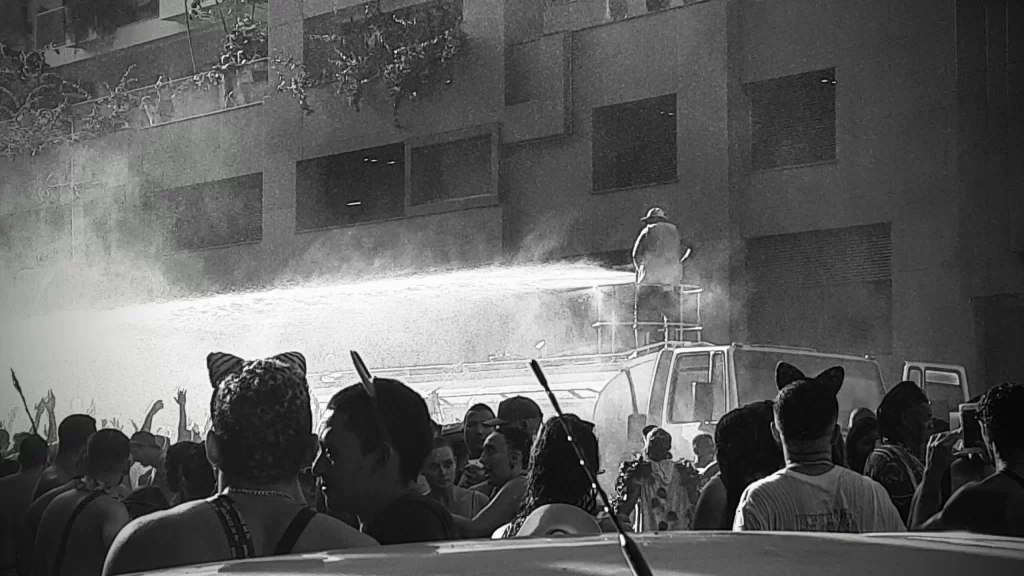
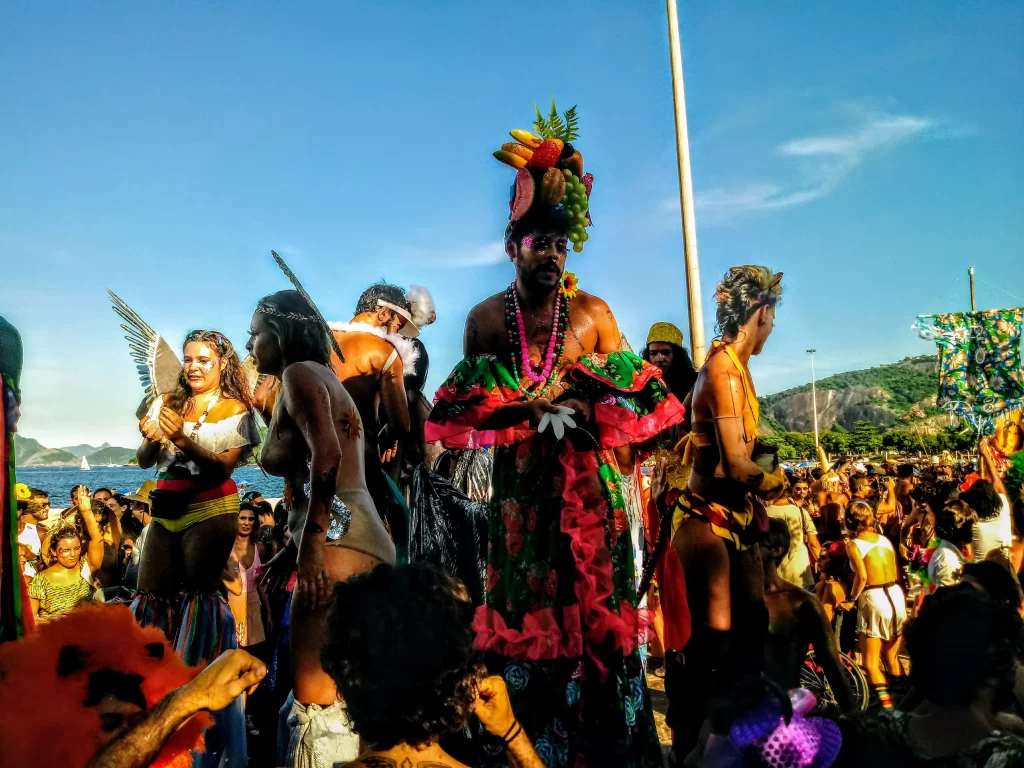
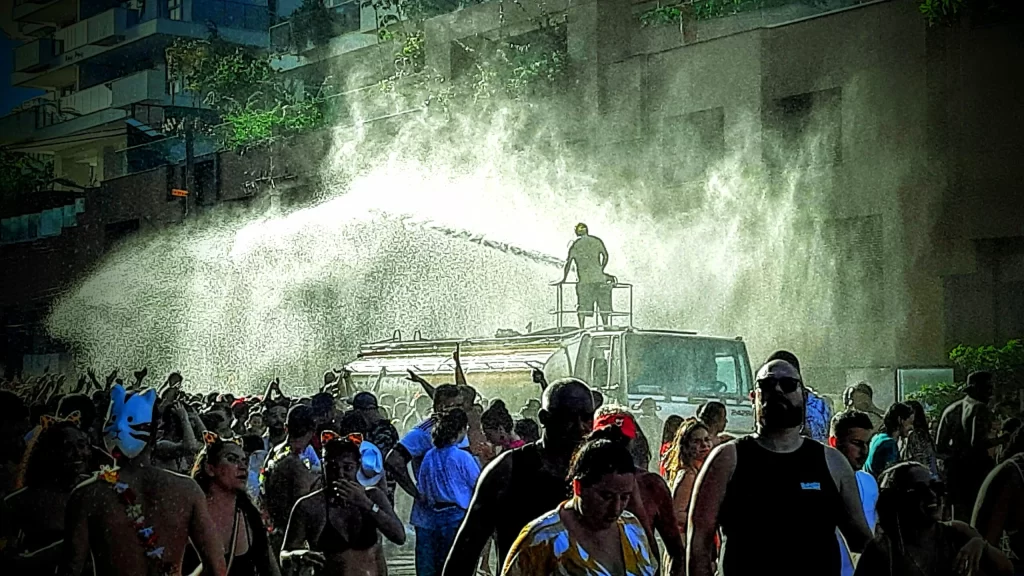
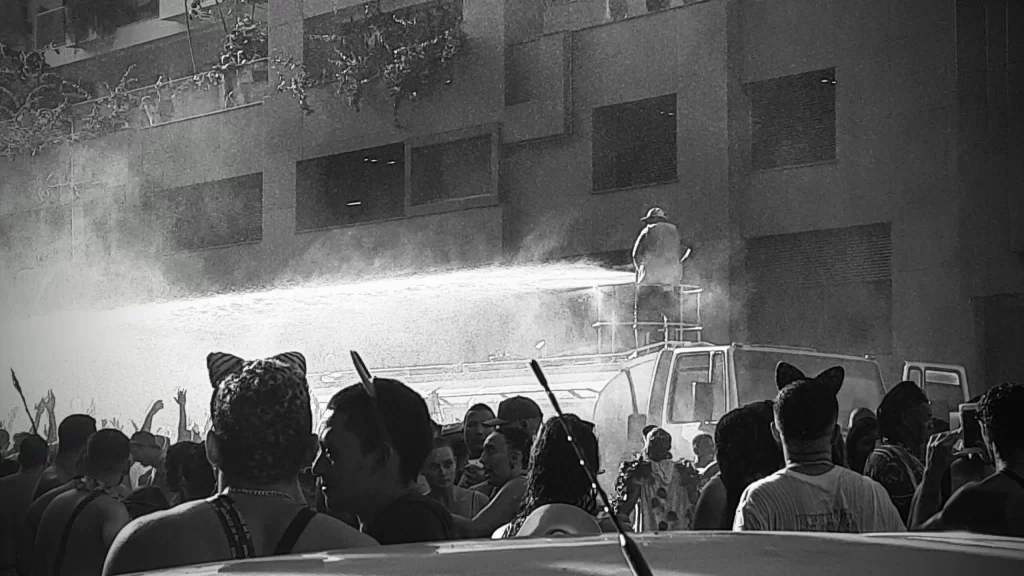
As I approached the street, a large crowd surrounded a truck with a stage and amplifiers, staging a mobile show known as a trio eléctrico. A water truck also sprayed water over everyone with a cannon, adding to the festive atmosphere. Seeing everyone in fancy dress, hearing the carnival samba, and feeling the mist sprayed from the cannon was surreal.
When I arrived at Yasmin’s place, Nalva was not there. Only Yasmin and Nalva’s sister, Sinha, were present. I chatted briefly with Sinha, left everything I had brought, and departed. I took the bus back because I felt tired and lazy.
I got off the bus when it entered Rua Barata Ribeiro, at the beginning of Copacabana. This area is full of bars and restaurants, and it’s popular both day and night, well into the early hours of the morning. It’s a region that never sleeps; you can get a drink there 24/7.
In Rio, the weather is usually good year-round, so it’s common to have more open bars and restaurants where people can come and go at any time. These establishments also offer tables and chairs for outdoor seating and alfresco dining.
Because Carioca culture values sociability, people often socialise more outside, on the street in front of the establishment, than inside.
In this part of Copacabana, a famous bar and restaurant closed during the pandemic. But now, with a new owner, it has reopened and is better than before. I am talking about Cervantes. There were so many people inside and outside that I just had to drink a chopp (an icy Brazilian light beer).
It had been at least six months since I last drank a chopp, as I have stopped drinking beer for quite some time now. I only drink wine on weekends.
The place was packed with people drinking, eating, and laughing, and the sounds of carnival samba from many diverse sources filled the air. As a photographer, I love observing people coming and going inside and outside the bar, stopping to see, not stopping, etc.
I always say that the carnival in Brazil is like Christmas in England – a different atmosphere where you usually wouldn’t talk to people, but during these times, you do. You break the ice and socialise more.
At first, I thought I’d have only one chop, but it became two, then three, and it kept going. I did not get drunk, but it was a lot for me nowadays. However, I knew when to stop, paid the bill, and went home.
When I arrived home, I felt guilty for drinking beer, spending money on it, and breaking my health routine. But it is a carnival. It only happens once a year, and tomorrow is another day. What a good and enjoyable way to start the carnival!
In bed by 10 p.m.
Thank you.
Thanks for reading my blog. Check out my other posts and share your thoughts in the comments.
Richard