Journalled on Saturday, 22nd of July 2023 | Flamengo, Rio de Janeiro: 24 degrees, warm, sunny and slightly overcast.
It is Saturday, and Saturdays are always good, especially in Rio de Janeiro. Cariocas, native people of Rio de Janeiro, like Cockneys from London or Brummies from Birmingham, are spoilt!
They are spoilt because, first of all, there are ninety-nine beautiful golden sandy beaches, eighty-three kilometres in total. There are more urban and famous beaches for anyone and everyone, and there are more secluded out-of-the-way beaches farther from the centre of Rio.
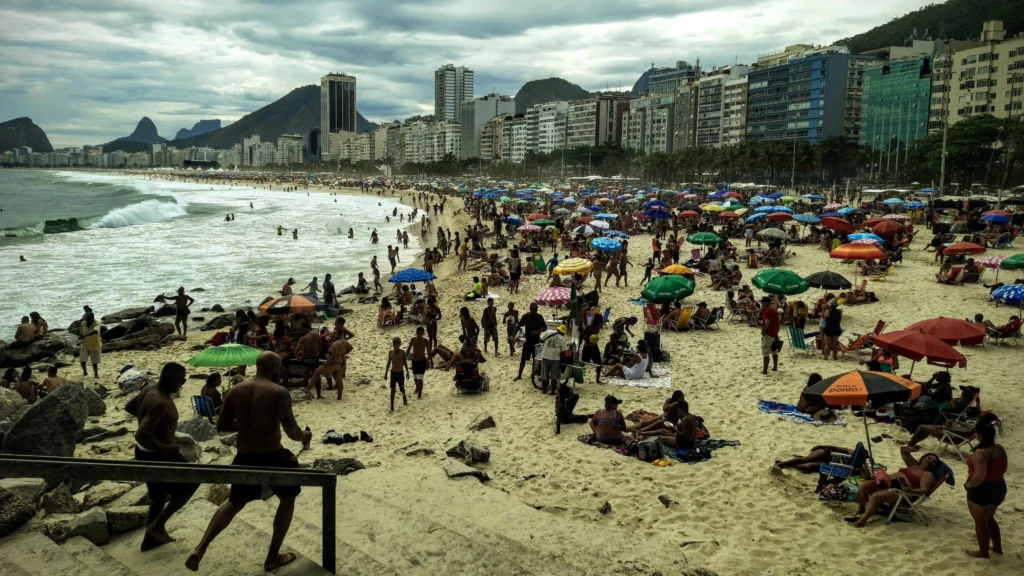
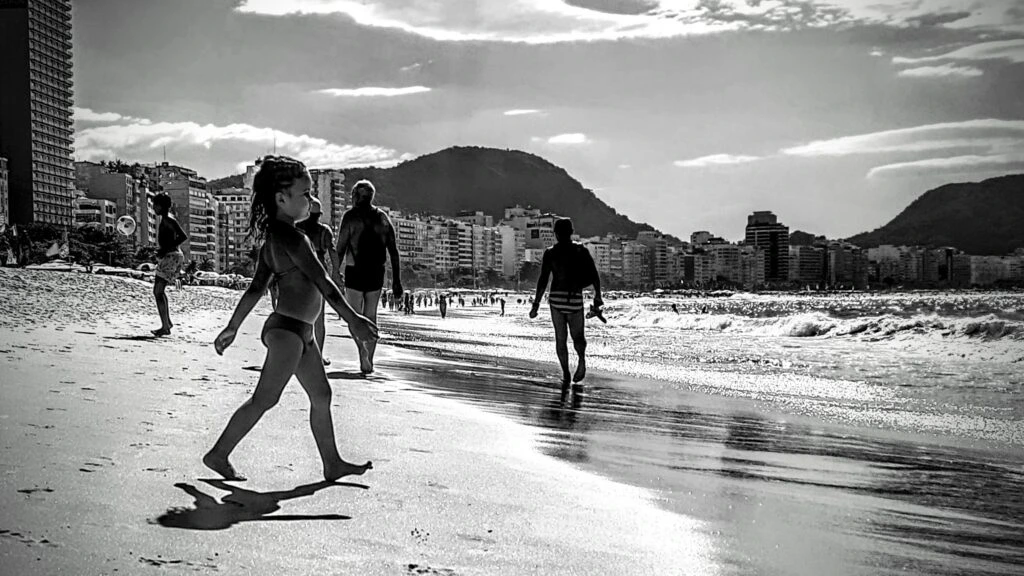
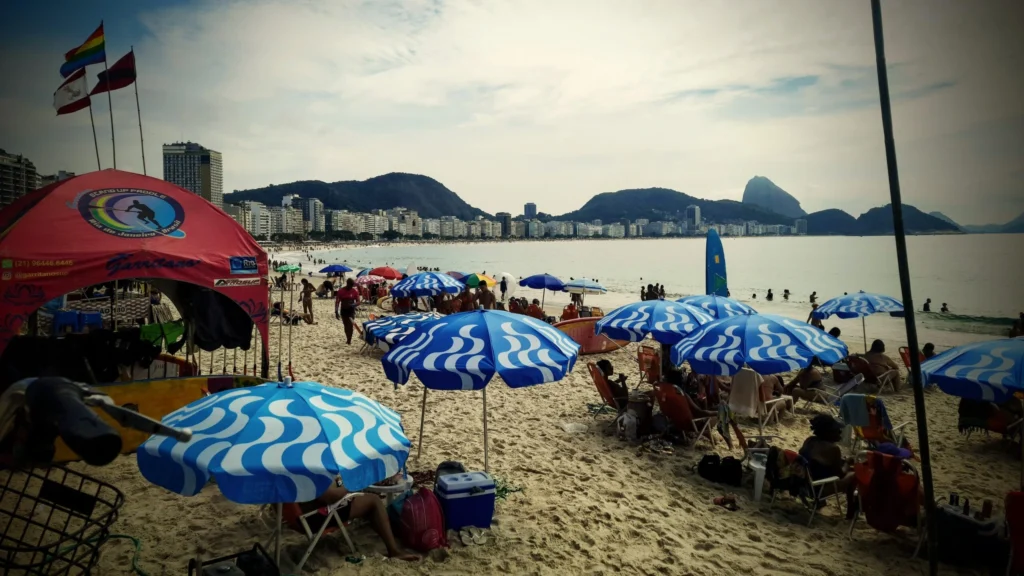
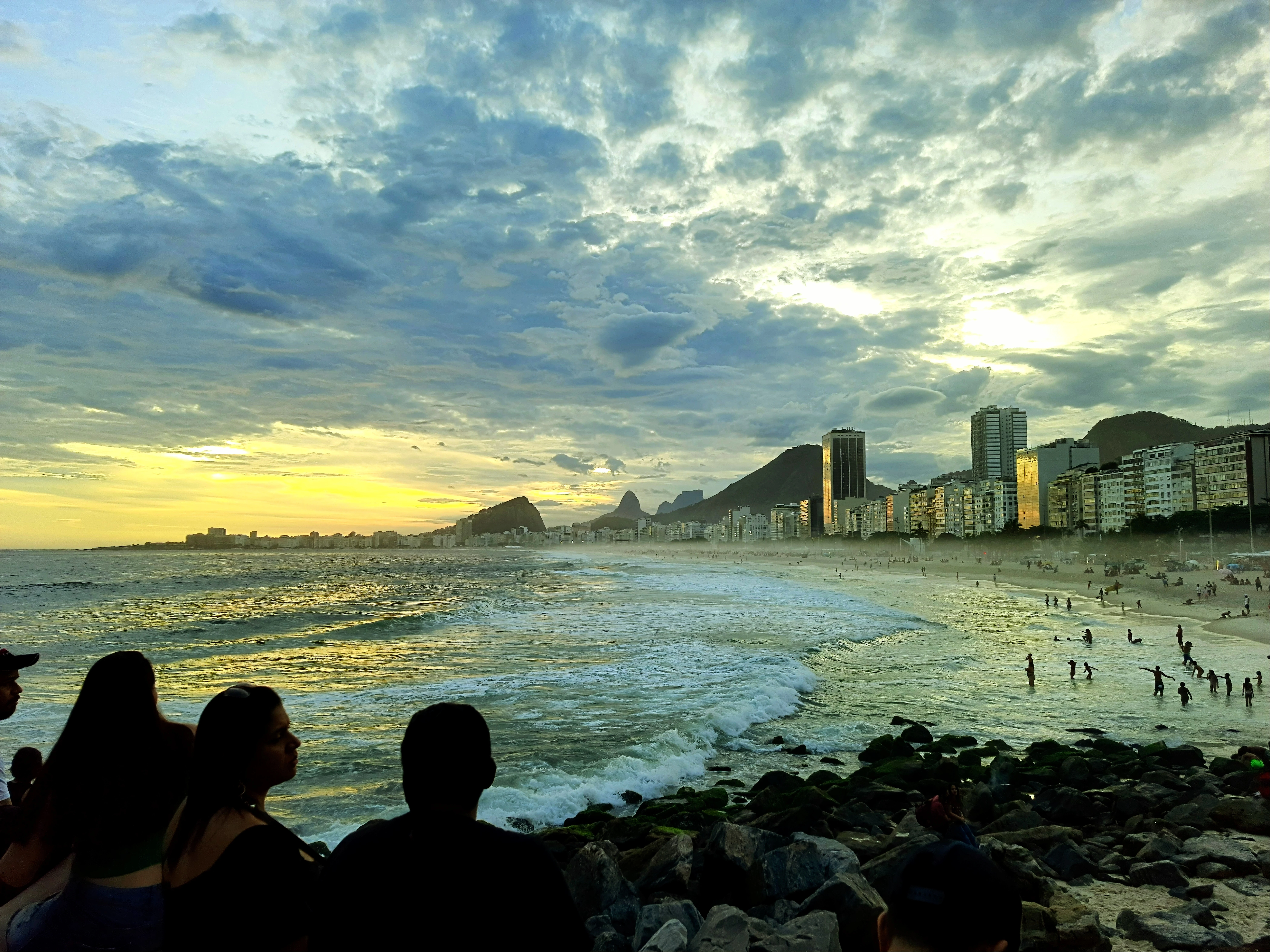
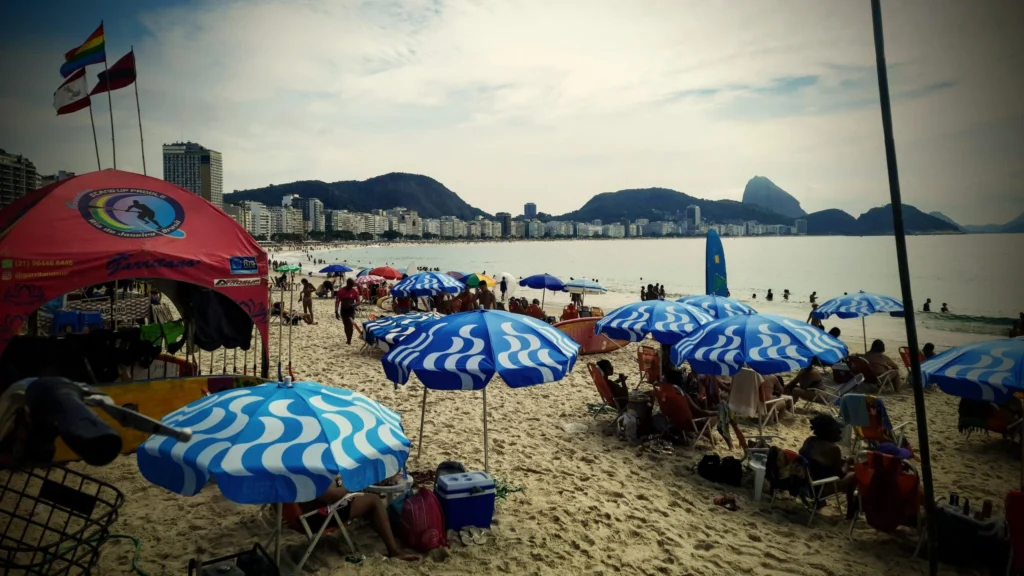
Copacabana is probably the most famous beach in Rio, Brazil, and the world, with Ipanema a close second. About ten years ago, Copacabana Beach was voted the most beautiful urban beach in the world. I do not know whether it still is, but it is an exceptional place and beach because of its beauty and energy.
When I lived in Copacabana, near Posto 2 (the lifeguard posts that line the coast are a reference along the promenade/beachfront), I used to walk early in the morning in front of the beach until the end of Leme to do exercise, and it never stopped amazimg me how beautiful and unique Copacabana Beach is.
However, I noticed a difference in energy from early morning to the rest of the day. Early morning has an almost romantic tranquillity and feel, with few people circulating at sunrise and a little after.
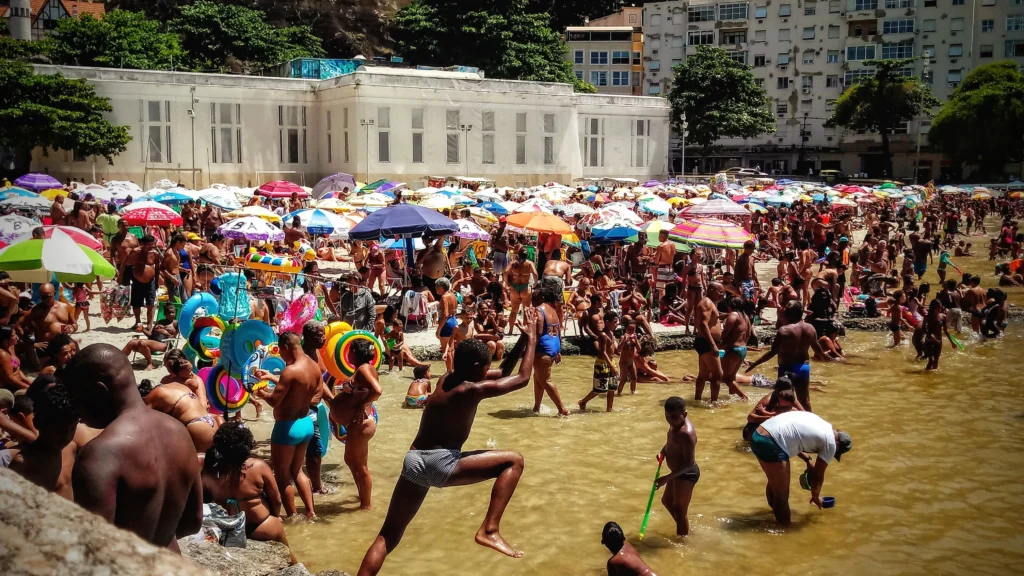
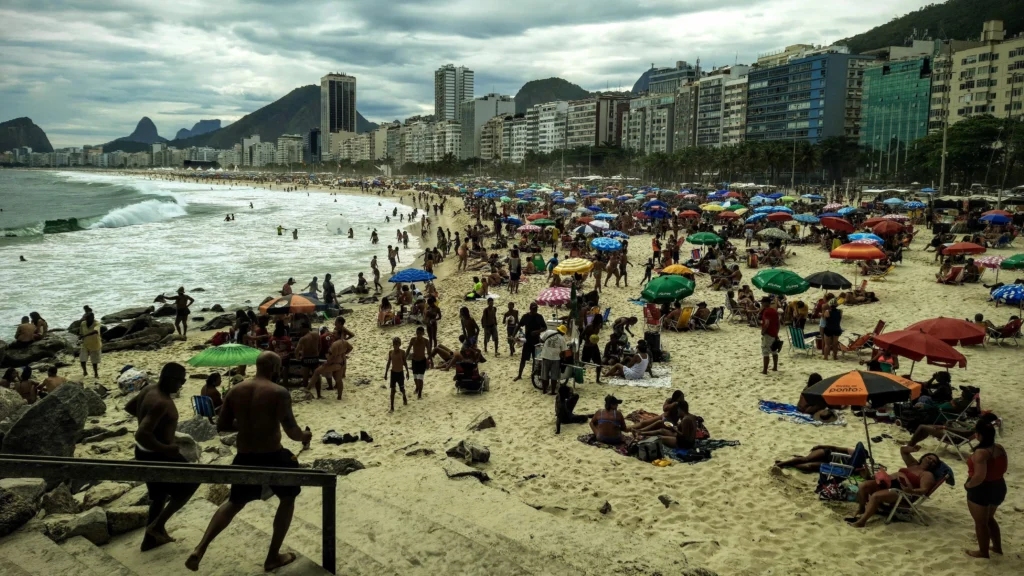
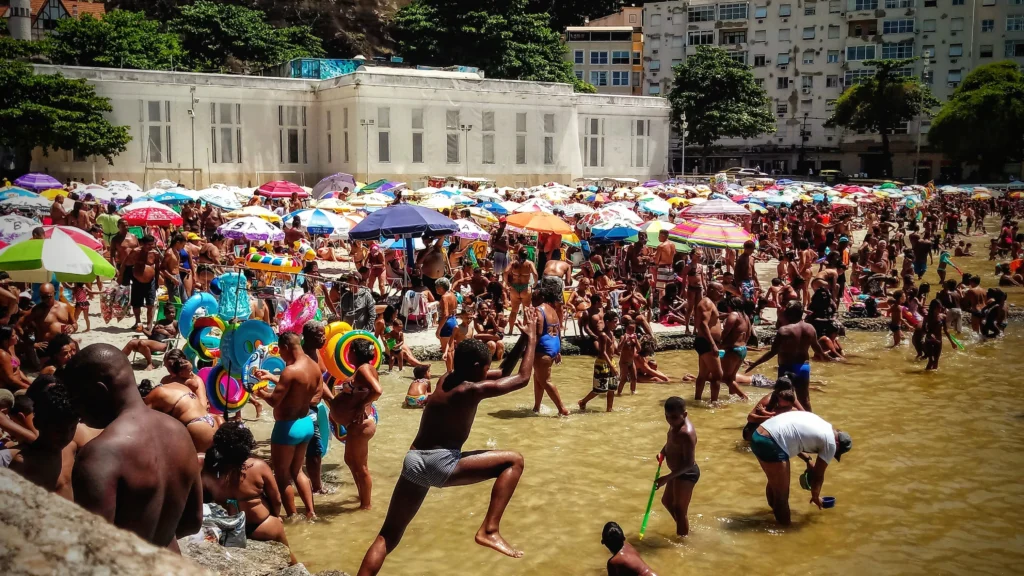
However, as more people arrive, it gets more complicated. The real problem is that in the summer months, high temperatures entice almost half the city to migrate from everywhere else to the south zone, especially Copacabana.
Scorching sun equals scolding sand; walking barefoot on scolding sand is not easy, almost impossible, without either trainers or, more commonly worn, beachwear, flip-flops, specifically Havaianas, the most prominent fashionable footwear for the beach for the last thirty years or so in Rio and Brazil.
Walking from the walkway in front of the beach to cross the beach to arrive at the sea or the stalls that sell drinks is not easy. For me nowadays, the overcrowding on the beaches in the summer and just trying to get to the sea without scalding your feet takes a little bit of the pleasure out of going to the beach.
Try it. You will see what I am saying.
Beach sellers with stalls to sell coconut water, beer, soft drinks, etc., usually have temporary showers set up next to their stalls so their clients can wash off the sand and salt from the beach or just cool off, including their poor feet.
I am not trying to put the beach culture down; I am just saying that perhaps it is better to go to the beach in Rio outside summer, or at the beginning or end of the high season, which usually runs from December through mid-April.
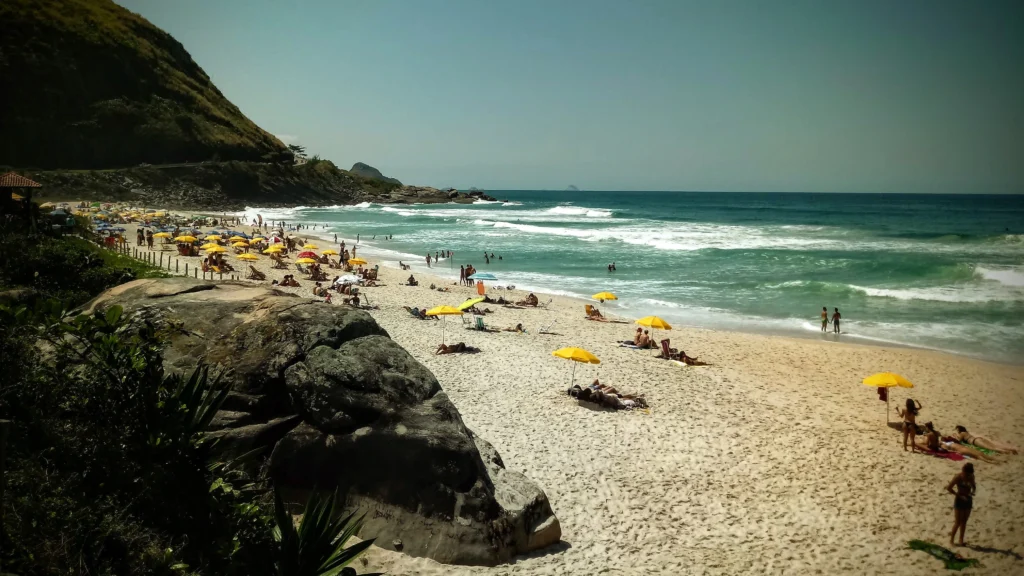
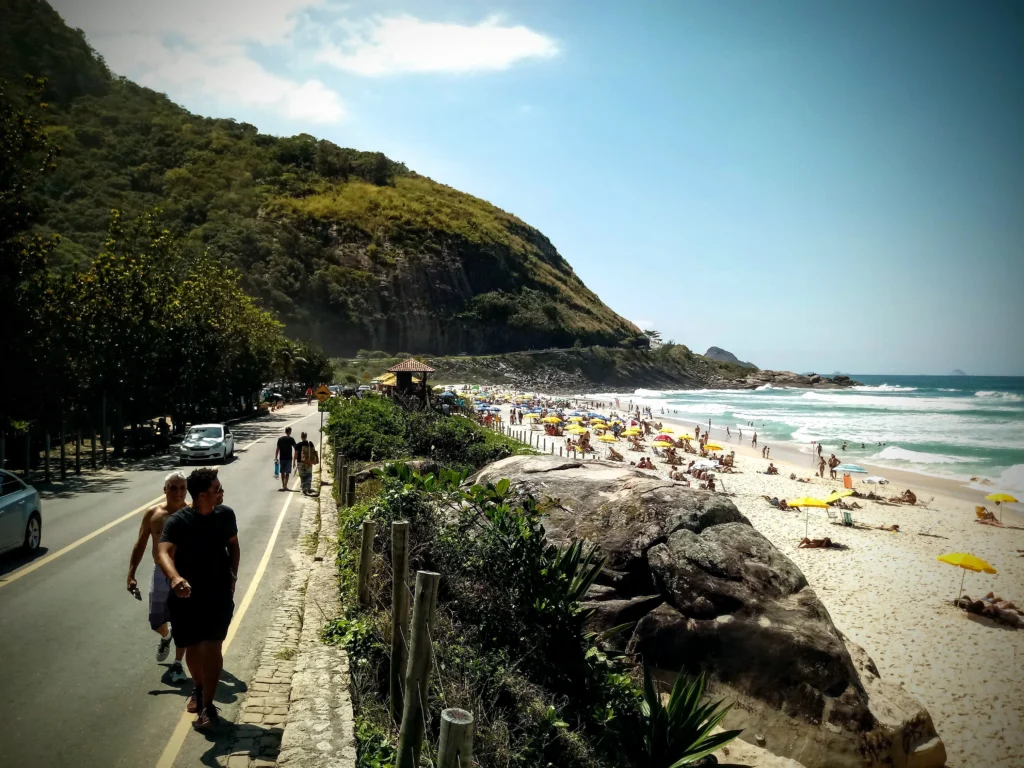
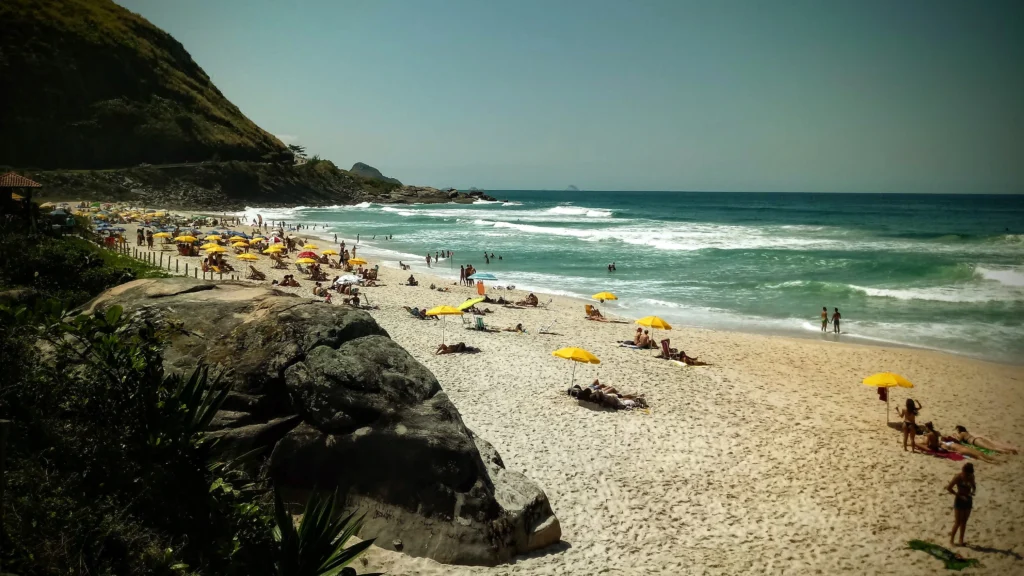
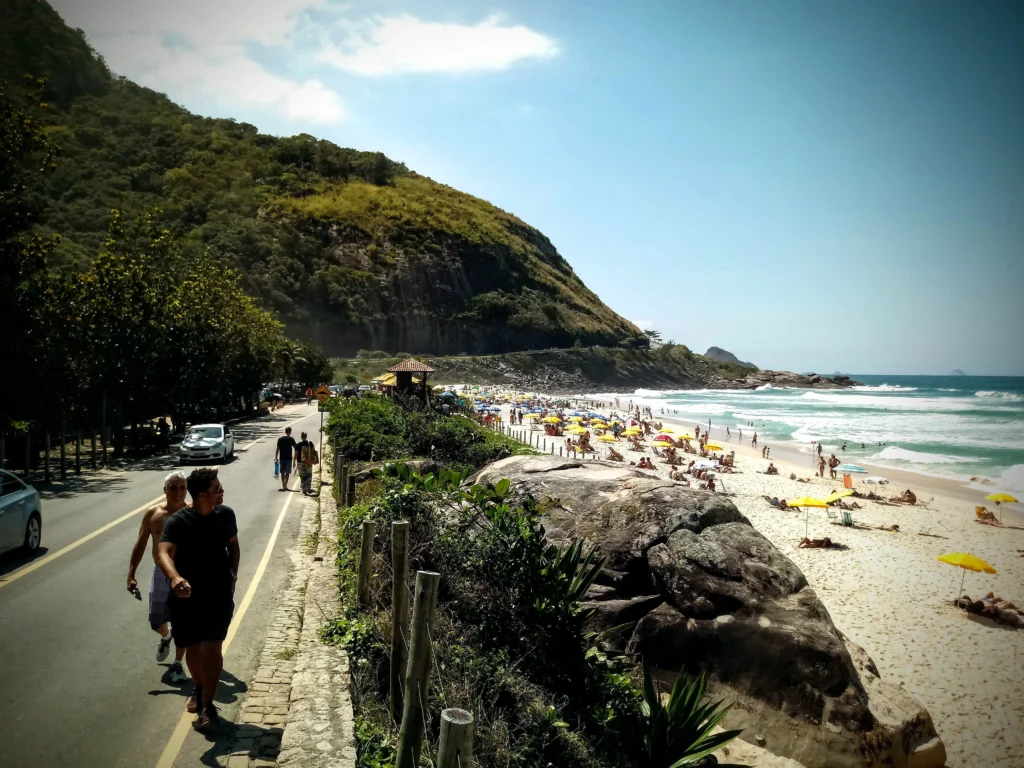
A more rural beach in Rio, like Prainha, which is way out, after Recreio, about fifty kilometres from the city centre, does not seem that far, but passing through some of the most important and popular neighbourhoods in Rio is complicated.
Consequently, heavy traffic can delay things. Prainha is a lovely, small, and secluded cove with a restaurant on one side of the hill overlooking the beach. It is more of a rural than an urban beach, which in itself is a big contrast to the more urban beaches in Rio.
It is simple and inexpensive but serves exceptionally delicious seafood bought daily from the local fish market, and it is only open until sunset; it is not allowed to have lighting for nighttime use. With tables and chairs on a kind of elevated balcony in front of the beach and the cove, you cannot go wrong. I have been to Prainha many times, and every time is remarkable.
An academic paper was published some years ago by a sociologist whose name I cannot remember, who studied the Carioca beach culture and its relationship with and influence on the city.
One of the main points of the paper was that along the eighty kilometres of coastline, the different beaches and even segments of the beach were types of havens, points, and safe places for different tribes that frequented the beach, including the alphabet people (LGBTQ) who would congregate and interact at specific parts of the coastline and the respective beach.
For example, LGBTQ people meet on the beach in front of Farme do Amoedo in Ipanema. The wealthy and the super-wealthy meet on the beach in front of the country club in Ipanema and at the end of Leblon. The serious fresco ball players are in Posto 6 in Copacabana, where the game began, or at Posto 1 in Flamengo.
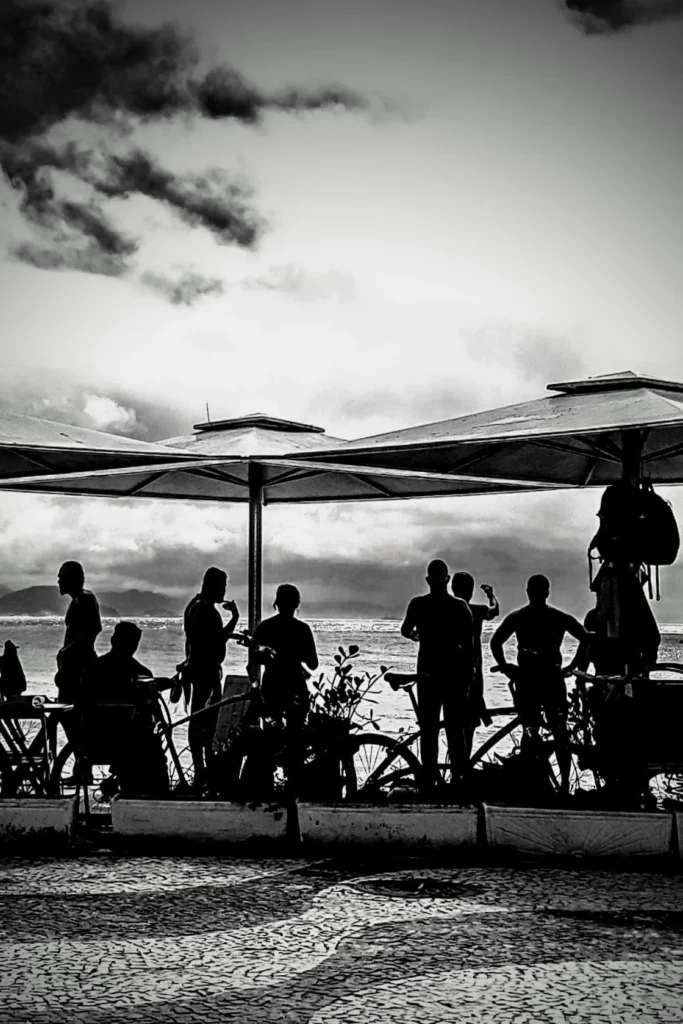
The beach is a club, or the fragmentation of many sub-clubs within one enormous, eclectic club. When we want to meet friends at the beach, we arrange to meet at a particular place, a reference point on the beach, where we generally know that the person usually frequents the same spot or is part of a particular tribe or group that repeatedly goes there.
And if you want to meet that person, you go there, to that point, if the person is there, great. However, if the person is not there, no problem. You will return tomorrow or next week, and that person will be there.
With the beach comes the informality of the beach culture. It is unnecessary to call or arrange to meet people and friends as in a normal society; you go to where they usually go, like the beach, and if you meet them, great! And again, if not, that is no problem. We will meet next time.
Cariocas and friendship have been criticised by many as being too superficial and shallow, where it is about having a good time in the moment, on weekends or when the sun is shining, and there is the beach.
I put it down to informality, and like everything in life, there are both positive and negative sides to it. I have had many great times in Rio and at the beach, but do I have many carioca friends I can count on if I am stuck? No, I do not. It is just the other side of the easy, laid-back Carioca culture and lifestyle.
After exercising, walking, tidying the flat, and shopping, the rest of the day was just off! Nothing too heavy! And with a bottle of wine.
Be kind and be happy, and if you can’t be happy, still be kind, but not naïve!
In bed by 11 p.m.
Thank you.
Thanks for taking the time to read this blog post. Feel free to explore my other posts and share your thoughts in the comments section.
Richard