Journalled on Sunday, 18th of June 2023 | Flamengo, Rio de Janeiro: 22 degrees, cool and overcast.
It is Sunday, a day I normally reserve for myself; if I were living alone, probably the whole day.
I needed to change Rogerio’s shirt, a present I had taken to his birthday barbecue party the Sunday before. Surprisingly, it was too large for him, as he is a monster of a man.
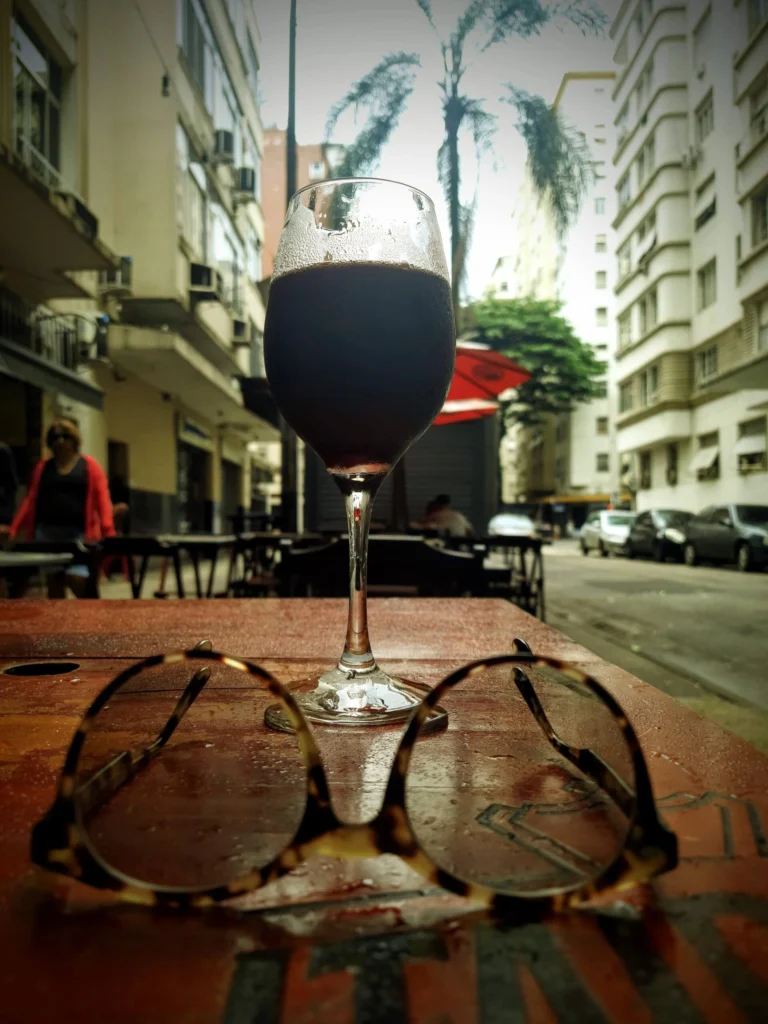
So, I was up at six, had coffee at the local baker’s until about seven, and then went off to Gloria’s Street Fair every Sunday. It is about a three-kilometre walk from Praia de Botafogo. I wanted to take the same route as always, walking inside and through the neighbourhoods rather than outside in front of the beach.
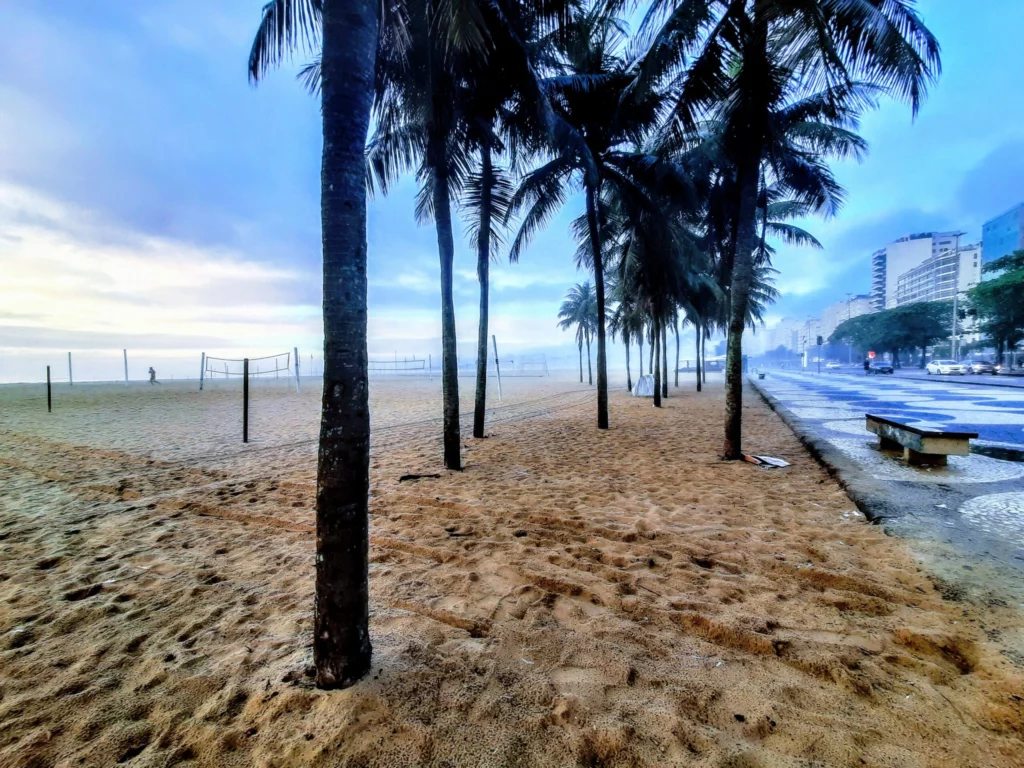
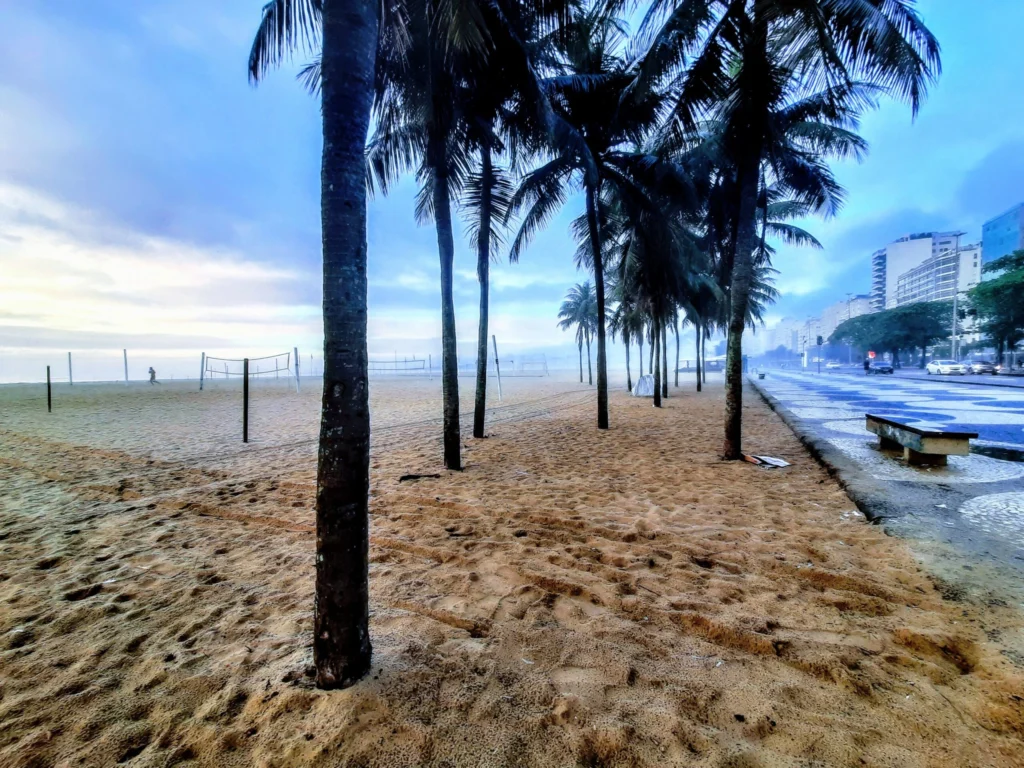
I became aware of the pleasure of walking through neighbourhoods while living in Copacabana, a large, very long neighbourhood. Avenida Atlantica is the main street in front of the beach. Two or three other streets run parallel to Av. Atlantica.
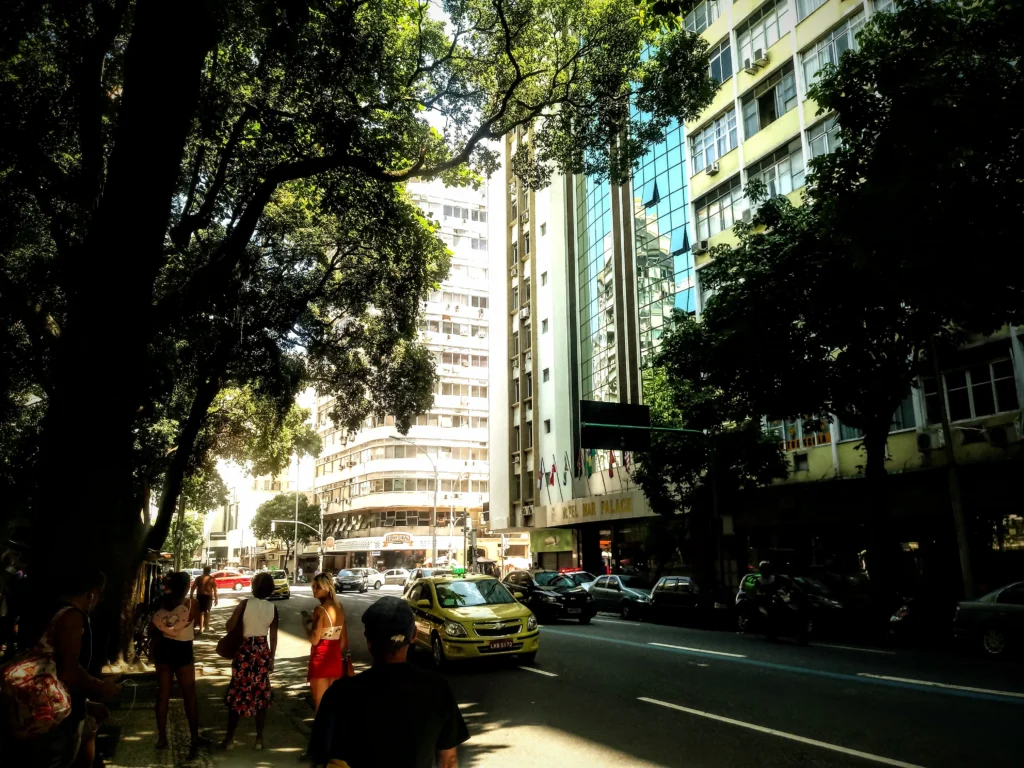
Rua Nossa Senhora de Copacabana is the second most important street, and Rua Barata Ribeiro is the third. Both are more for trade, shopping, and dining than for residential use. Connecting these three main streets, there is a network of beautiful side streets, alleys, squares, hidden gardens, etc.
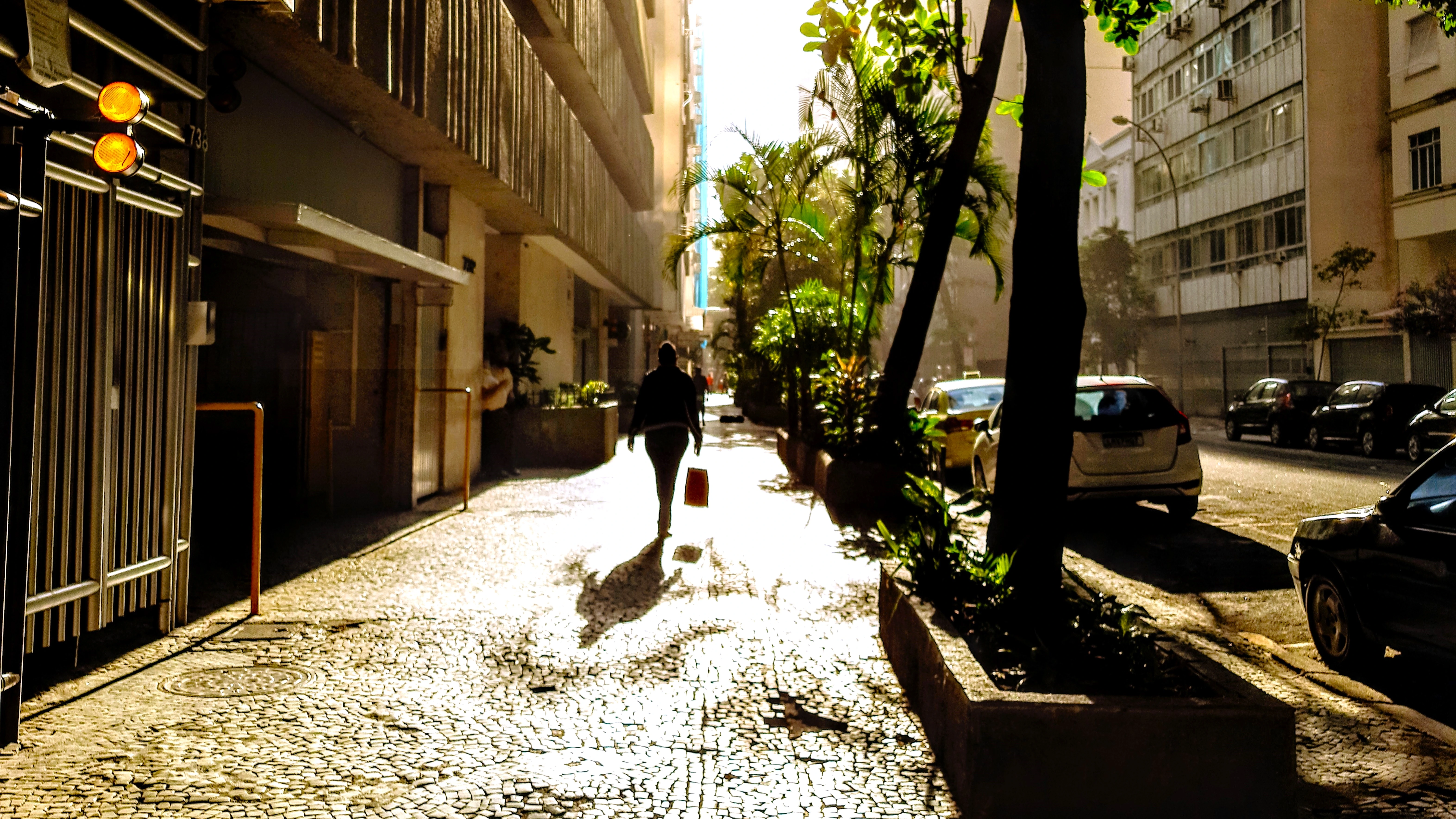
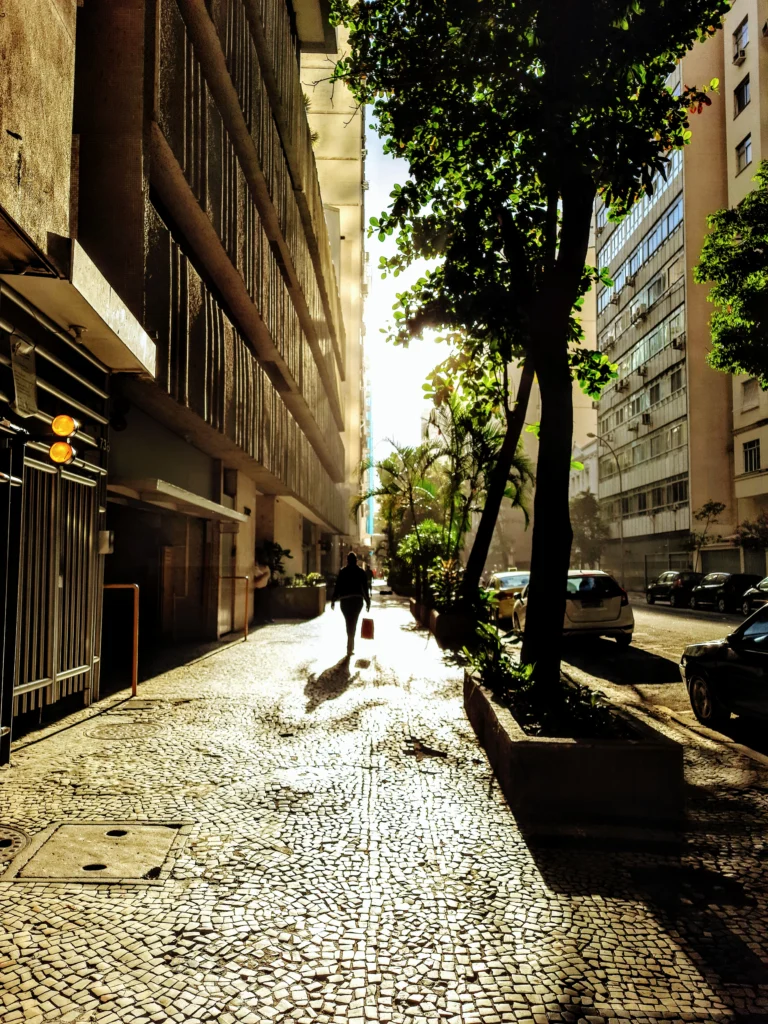
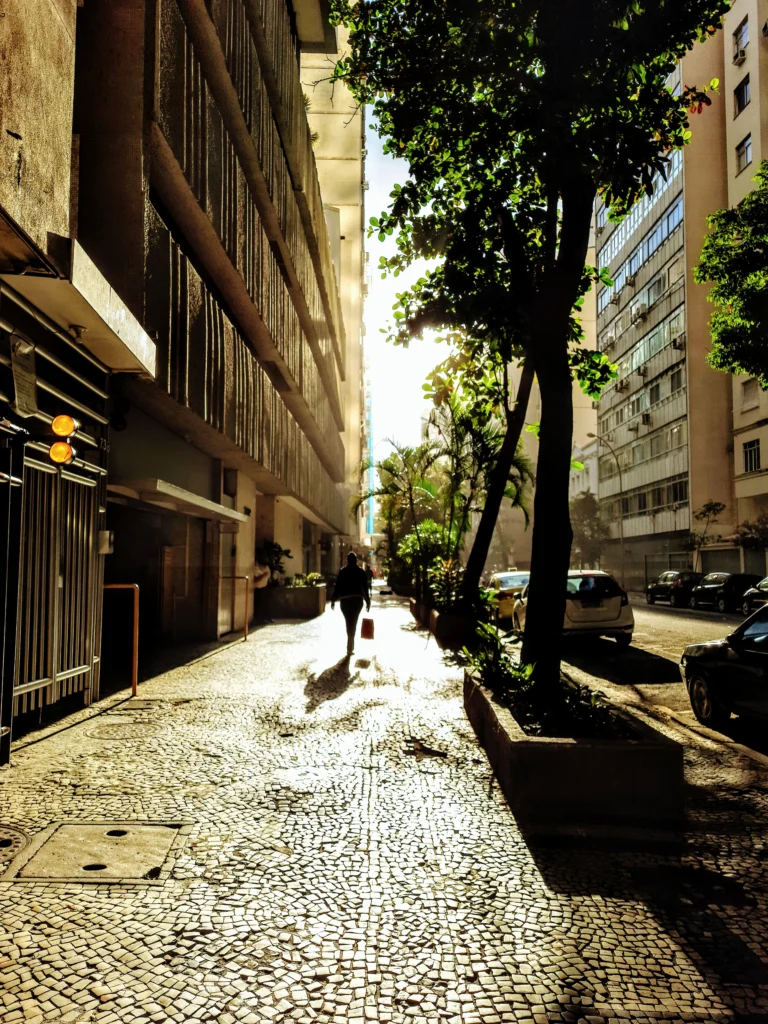
If you intentionally go wandering around these side streets that make up the guts of the neighbourhood, without any set destination, you encounter hidden treasures of a very special neighbourhood, which is Copacabana, especially if you are a photographer.
When a person wants to cross Copacabana on foot, most prefer to take Atlantica, as it is enjoyable to walk along the beach with its kiosks, restaurants, bars, and the sea. On Sunday, the beachside of Atlantica is closed to the public, becoming a long pedestrian walkway, making it even more pleasant and practical.
However, you miss the charm of finding the cultural, historical, and aesthetic treasures when walking outside in front of the beach, as you do when walking inside, in the guts and heart of the neighbourhood.
Copacabana is full of tree-lined side streets that support its own ecosystem of birds and animals that people seem to take for granted and only seem to care about when a monkey, a bird, a Tucana, etc., comes down to say hello.
Copacabana taught me to go into a neighbourhood, see what it has to offer, and appreciate its characteristics and people. The border with the beach is charming, but the heart of the place is more crucial, pleasant for me.
If I walk from Botafogo to Gloria by the outside, along Aterro in front of the bay and the beach, it will be a little longer than going inside along the main streets that lead straight to Gloria.
However, I also have the opportunity to look and notice everything in my path with a photographer’s eye and to shoot a photo at any time. The day is excellent. The sun is out, although it is almost winter. Rio is so privileged to have beautiful, warm, sunny days, though it is a little cool in the shade.
When I arrived at the street fair, the seller had not arrived yet; I thought he might not come today. His stall is usually at the beginning of the fair, where all the other stalls are clothing, fashion, and souvenirs.
As he was not there, I decided to kill some time by walking down the middle of the fair with the stalls lined up on each side of the street to see if anything else was interesting.
I noticed that some fruit and veg stalls were beautifully organised, showing off their produce in interesting and creative ways. I walked to the end of the fair, which was a good kilometre, and then returned.
At the far end of the fair, you have people with a patch of ground where they lay out a blanket, a cover or some canvas on the floor, and they lay out on top all the kind of junk you could and couldn’t imagine. Stuff that nobody really wants or collects nowadays: old jewellery, CDs, DVDs, pots and pans, old shoes, old technology, and the list could go on.
I thought that maybe it is a kind of obsession, or even a therapy, for some people to collect and try to sell such stuff, but from another angle, it could be seen as different, charming, or even beautiful.
Returning to the beginning of the fair, I found the man and the stall to change Rogerio’s shirt, and fortunately, there was no problem. He readily changed the shirt to a smaller size without question, which is sometimes difficult in Brazilian stores.
With my task for the day done, I decided to cross Aterro and visit Marina da Gloria, my second church, Urca being the first. I stayed in Marina da Gloria for about half an hour and returned home by the outside route along the beach.
Nalva prepared a nice late lunch, and I washed the dishes and cleaned the kitchen while the rest of the day was spent resting, relaxing, and reading.
In bed by 9 p.m.
Thank you.
Thanks for reading my blog. Check out my other posts and share your thoughts in the comments.
Richard