Journalled on Monday, 13th of November 2023 | Flamengo, Rio de Janeiro: 28 degrees, hot, sunny and slightly cloudy.
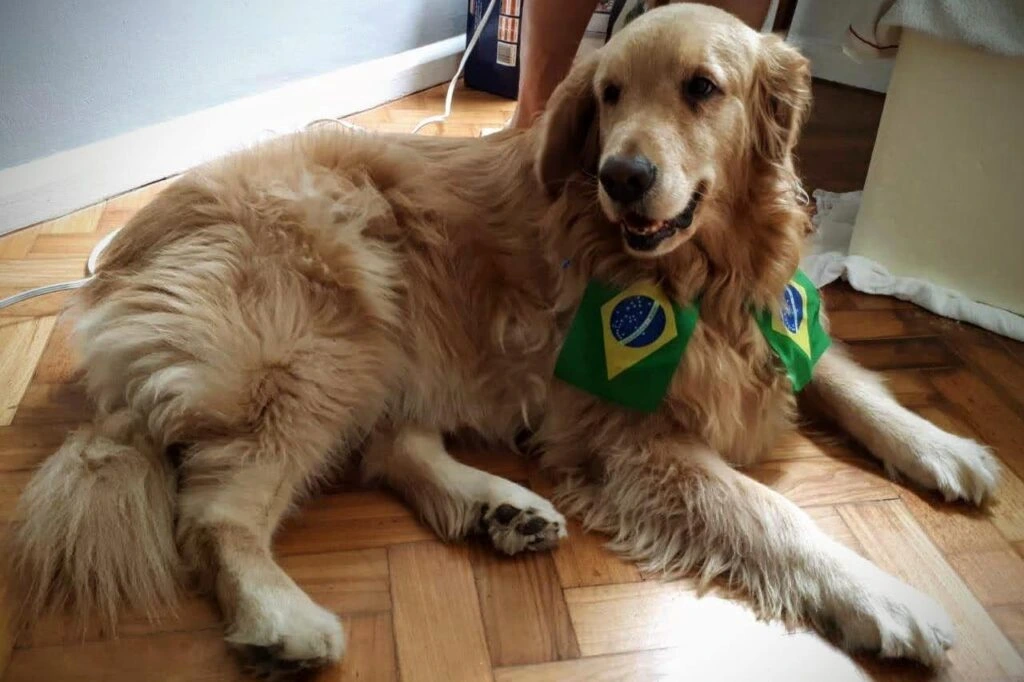
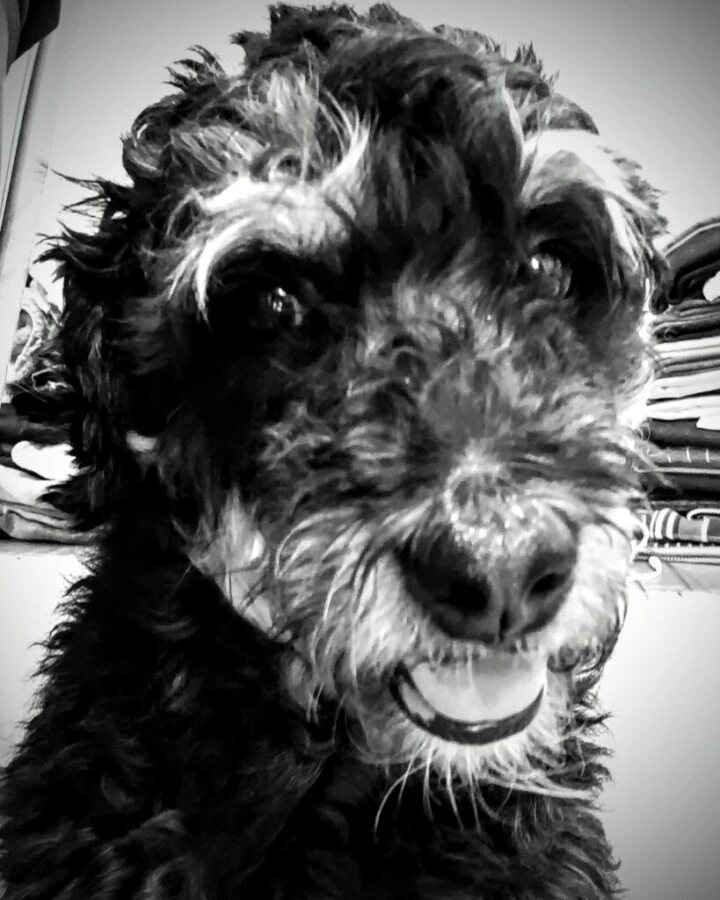
The sun was so hot this morning while I was walking in the street with Perola that, instead of taking a longer walk, we hurried home before 9:00 a.m. because I was worried about her.
Rio in the summer is incredibly hot! You can fry an egg on the pavement. When I was much younger, the heat didn’t affect me as much. At the weekends, I would meet my friends at “Barraca de Mineiro,” Mineiro’s stall (this stall on the beach sells beer and other items from a man in Minas, a state in Brazil) at Posto 9 on Ipanema beach.
I had a group of friends with whom I would meet every weekend, and if someone didn’t show up, nobody minded because that person would come later, tomorrow, or the next day. That is the Carioca way, if a friend doesn’t turn up, no problem, another day, another time.
The beaches in Rio serve as a social community club, where you will encounter a particular group or tribe at specific points along the coast and on the respective beaches.
The LGBTQ, the alphabet people, congregate, mix and meet on the beach in front of the street Rua Afarme do Amoedo in Ipanema. The foot-volley players play and stay in front of Rua Vinicius de Moraes again in Ipanema. Poorer, lower-class people from Rio’s northern zone go to parts of the beaches directly in front of the metro stations in Copacabana, Ipanema, and Leblon.
On a hot weekend day, streams of people leave the metro stations towards the beach, migrating from the north zone to the south zone. Sometimes, so many people depart the metro station that it resembles a river, all heading in the same direction. The crowd is so vast that traffic stops, making the situation a bit precarious.
People from the western zone of Rio, such as Jacarepaguá and Barra, prefer to go to the beaches of Barra, Recreio, Prainha, and some other smaller beaches further out of Rio.
The group of friends I used to meet in Ipanema was tight-knit, and we stayed just next to the foot-volley courts and their players. layers, such as Romario, Edmundo, Ronaldinho Gaucho, Junior, and many others, would play there.
I went there nearly every weekend for at least ten years. When I married for the second time and moved to Flamengo, that all stopped, and I lost contact with my friends in Ipanema. Like many Cariocas, I discovered another beach spot I frequented after relocating to Flamengo. I did the same activities I enjoyed in Ipanema, made new friends, socialised, drank beer, and regularly visited the beach, as I did in Ipanema.
I was happy living in Ipanema. The only real reason I moved to Flamengo was that Nalva grew up with open spaces, and Aterro Park, Rio’s largest park, would be the ideal place to take Bruce for walks and let him roam free.
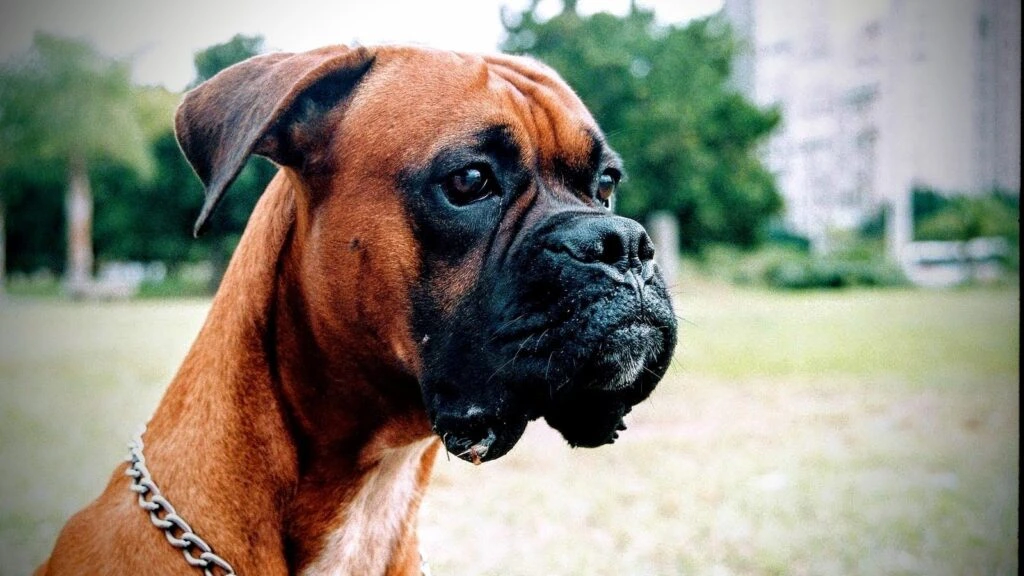
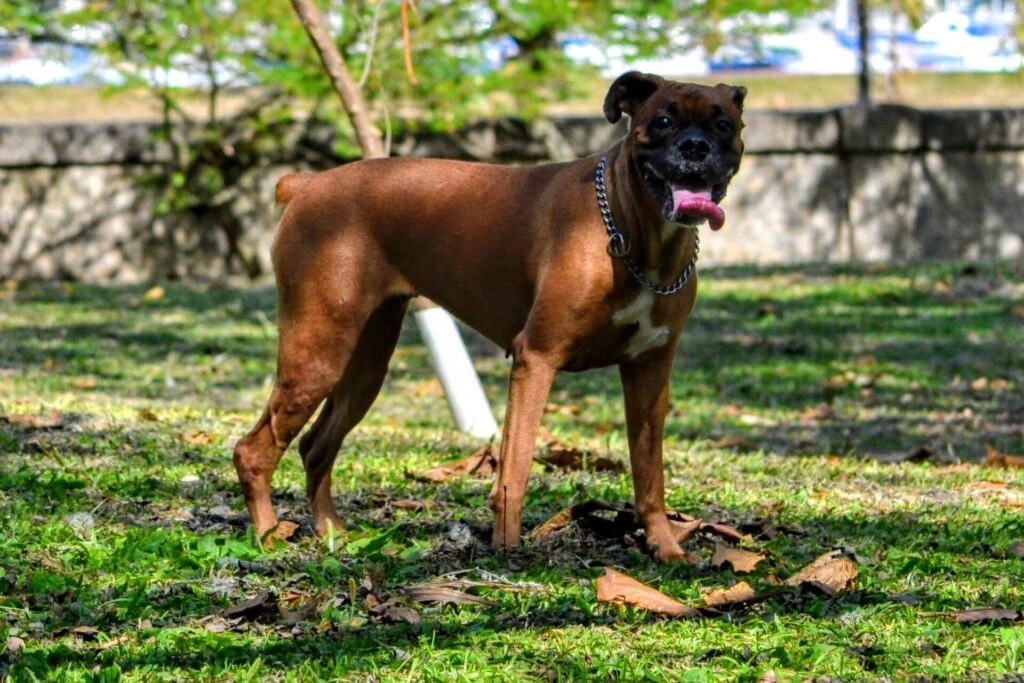
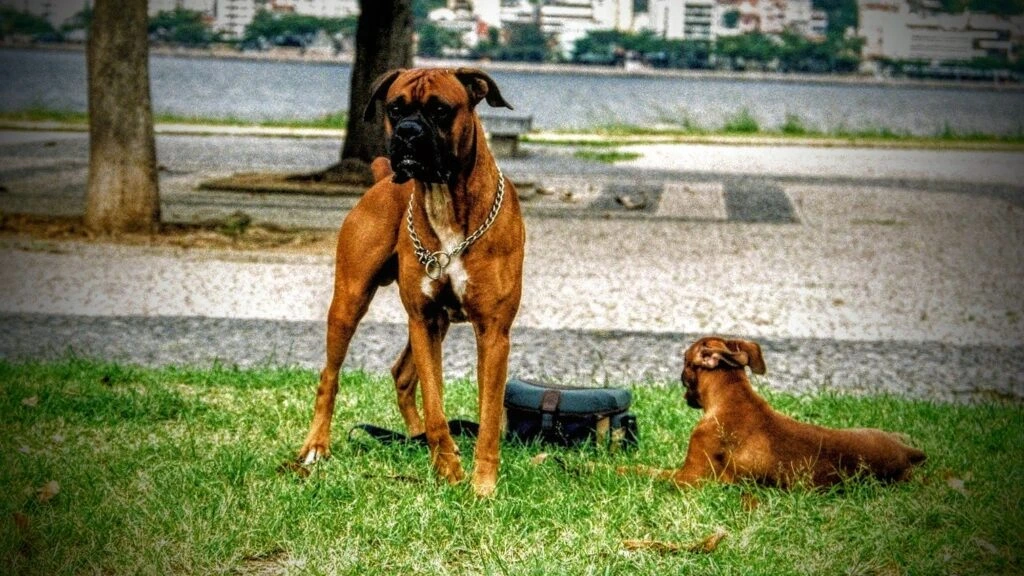
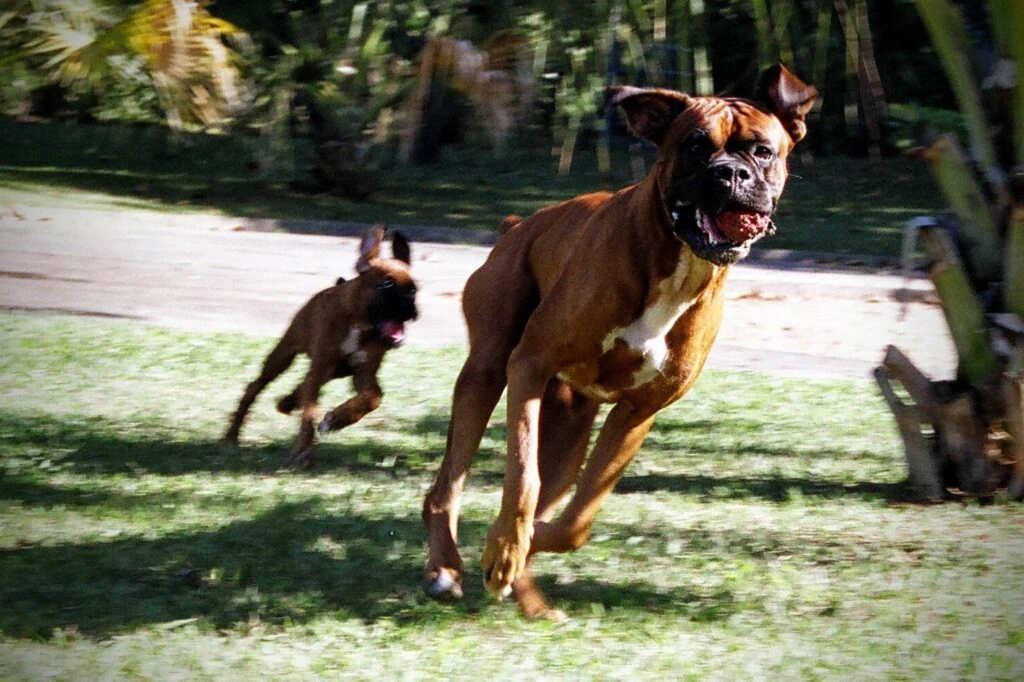
After moving to Flamengo, Bruce had his daughter Petra, and then I had two dogs.
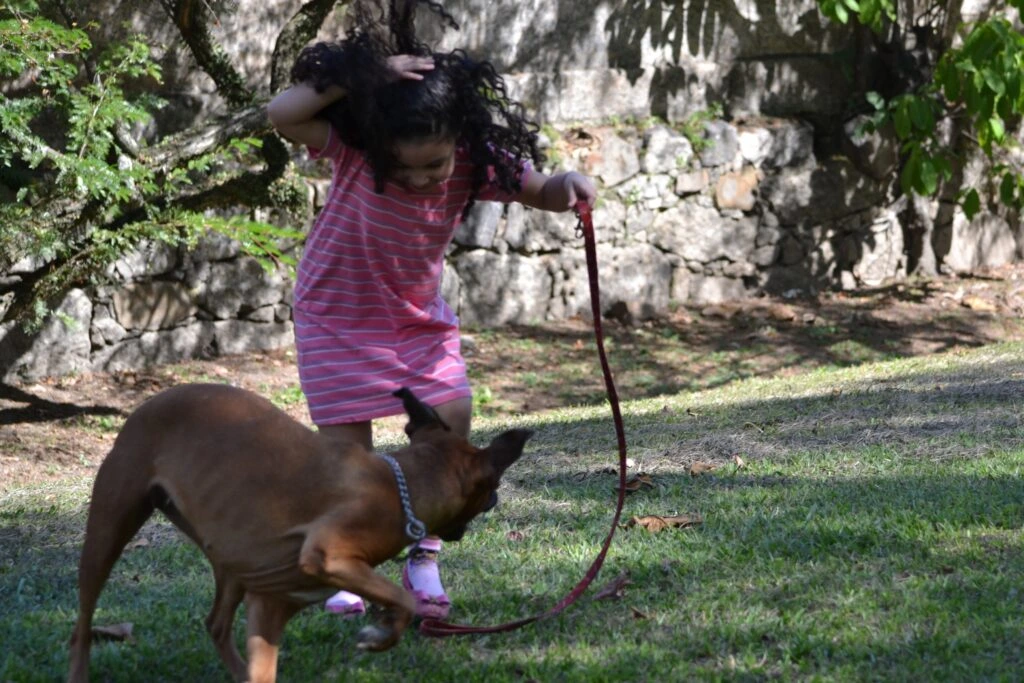
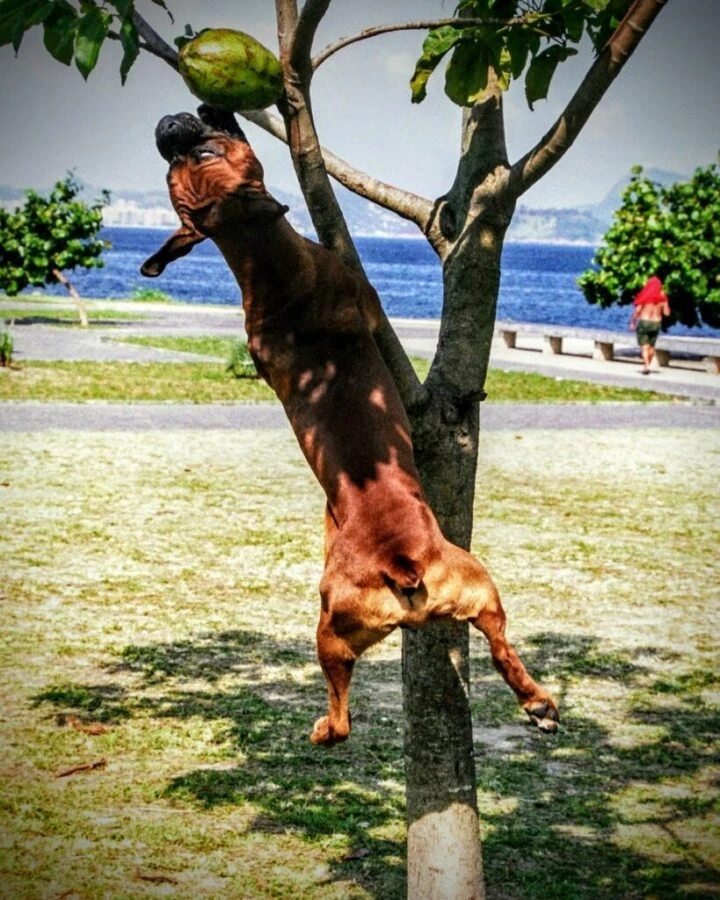
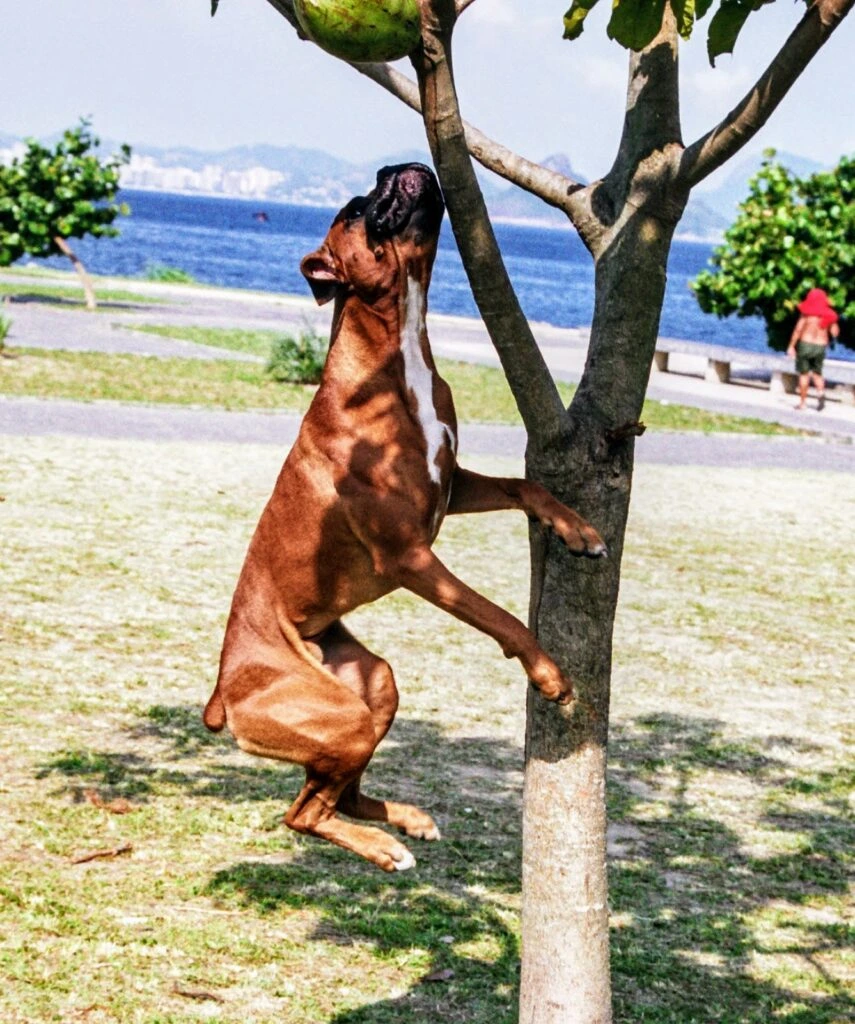
Those were probably some of my happiest times in Rio and Brazil. I would take the dogs with me everywhere, including to the beach. Bruce and Petra sometimes went to the seashore while I enjoyed a beer. They would keep an eye on and play with the children in front of the sea in Flamengo.
He would also act if he thought something was amiss or if someone was behaving strangely with the children and if they were in danger; he had this sixth sense when watching over them. I witnessed him drag children out of the water a few times when he believed they were at risk. It was incredible; the truth is that dogs are angels sent to earth to help us.
Flamengo’s waves aren’t very strong because the beach is man-made and sits inside the Bay, so it’s not the open sea. Yet Bruce always watched the children there, and it was wonderful to observe.
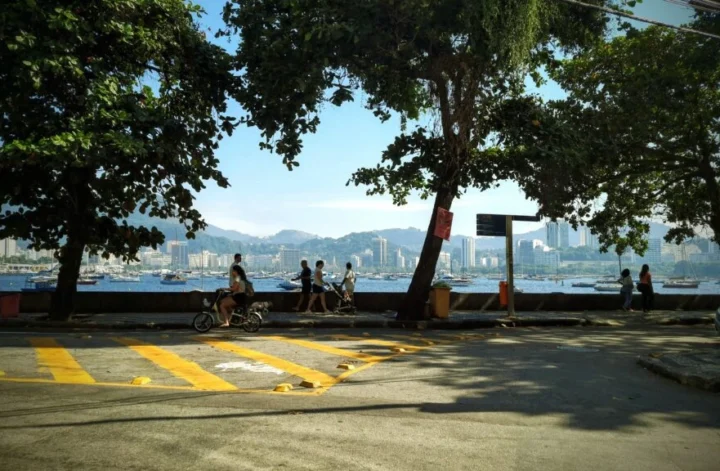
When the weather was less pleasant, Flamengo had a long boardwalk extending from near my home to the city centre, or at least to Marina de Gloria. We would regularly stroll along the beach for 3 or 4 kilometres on Friday afternoons to start the weekend well. During that time, it was wonderful to be with the dogs in such a lovely place, where they could roam freely or walk alongside me; it was a very special time.
Having the dogs was a very special time in my life. I have many fond memories of that period with the dogs. Not a day goes by that I don’t think about them both: Bruce, the father, and Petra, the daughter. Bruce has profoundly impacted my life in so many ways that he became the school mascot.
Even though Petra was not as charismatic as Bruce, she is and was very special to me; funnily, she outlived Bruce and became just as significant a reference in my life as he was. Unfortunately, Bruce died very young from cancer at 8. Petra also died from cancer but lived until she was almost 14; in some ways, she had more time and influence in my life than Bruce.
As I mentioned earlier, dogs are angels that come down to help us, and both of them changed my life for the better; without them, I might have become a worse person.
As you age, your resistance to the sun decreases significantly. I avoid going outside during the summer between 11 a.m. and 4 p.m. I prefer to remain indoors during these hours to minimise the risk of excessive sun exposure. As we grow older, we also gain wisdom, become more health-conscious, and are less tolerant of making poor choices, such as venturing into the scorching sun at midday. I also learned this lesson from my dogs.
We should never take dogs out in the hot midday sun, and the same applies to us.
In bed by 9.15 p.m.
Thank you.
Thanks for reading this blog post. Please explore my other posts and share your thoughts in the comments section.
Richard