Journalled on Sunday, 17 November 2024 | Santo Cristo, Rio de Janeiro, Brazil: 27 degrees, hot, a little humid and overcast.
It is Sunday; all preparations for the G20 summit are in full swing.
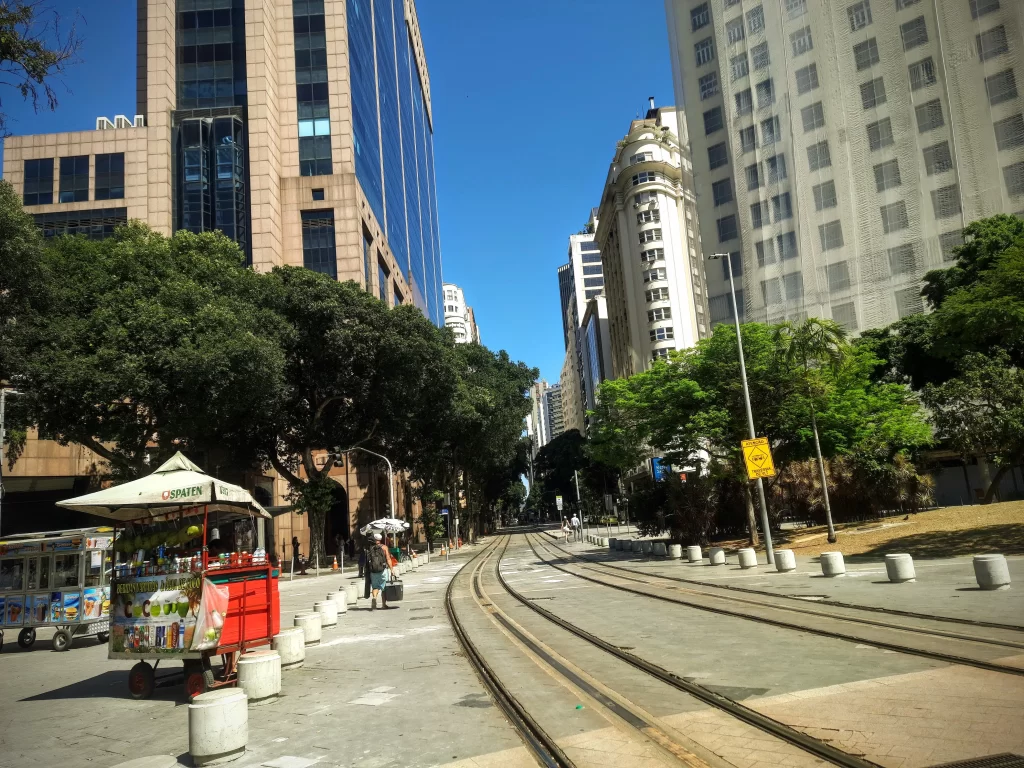
Officially, it will begin tomorrow, with bank holidays on Monday and Tuesday for municipal, state, and federal civil servants to reduce the circulation of people in the city centre of Rio and the port area, where it is being held.
Over the past 30 years, these events would usually have taken place at Riocentro, an exhibition centre similar to Earls Court in London or The NEC in Birmingham. However, Riocentro is quite far from the centre of Rio, somewhat off the usual route, and I believe that since the centre is quite old, probably over 50 or 60 years, it is likely to be a little run down.
I took Yasmin to a Bienal, a book festival at Riocentro about 5 or 6 years ago, just before the pandemic. It took two hours to get there and another two hours to return by public transport; the traffic was disastrous. The pavilions appeared to be in good condition, but old and worn, and it was extremely hot.
The air conditioning was not enough to combat the heat and the large number of people inside the pavilions.
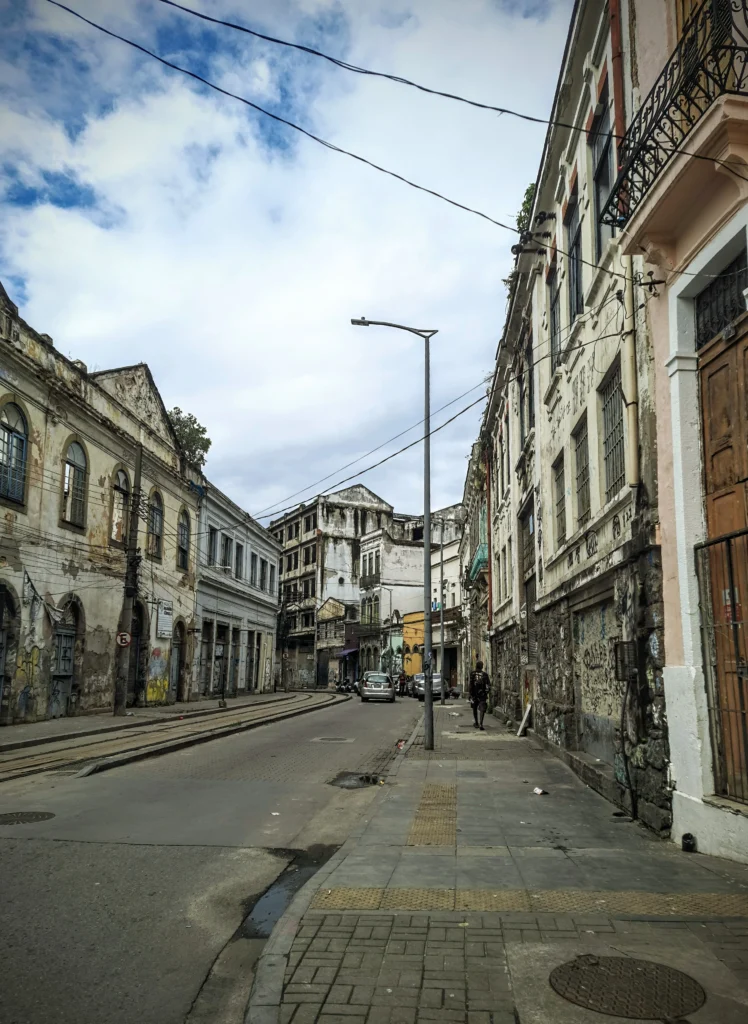
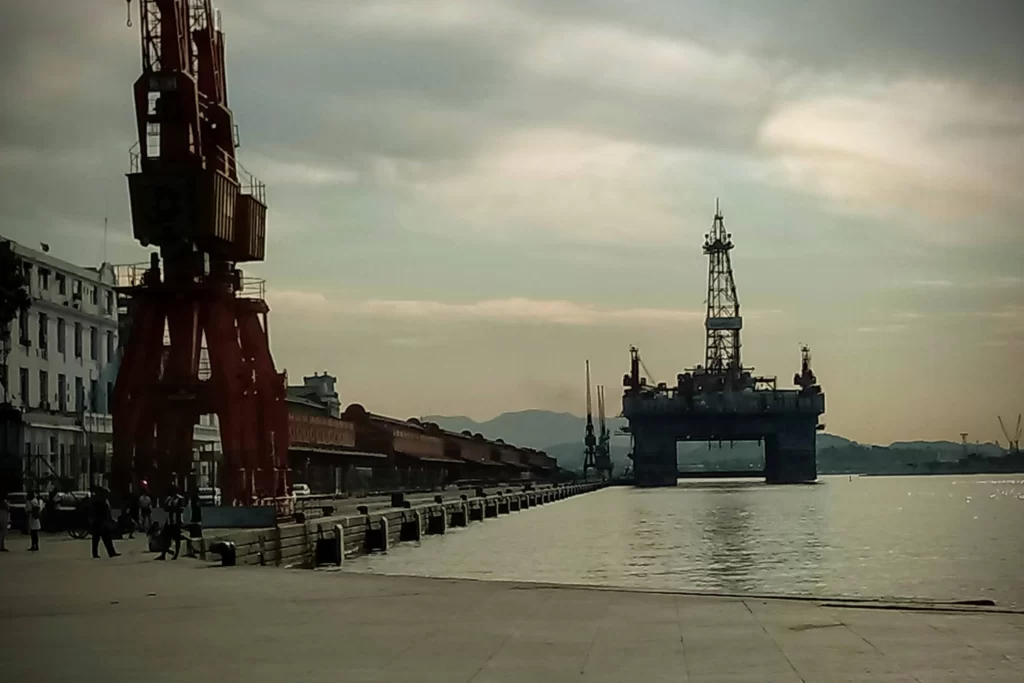
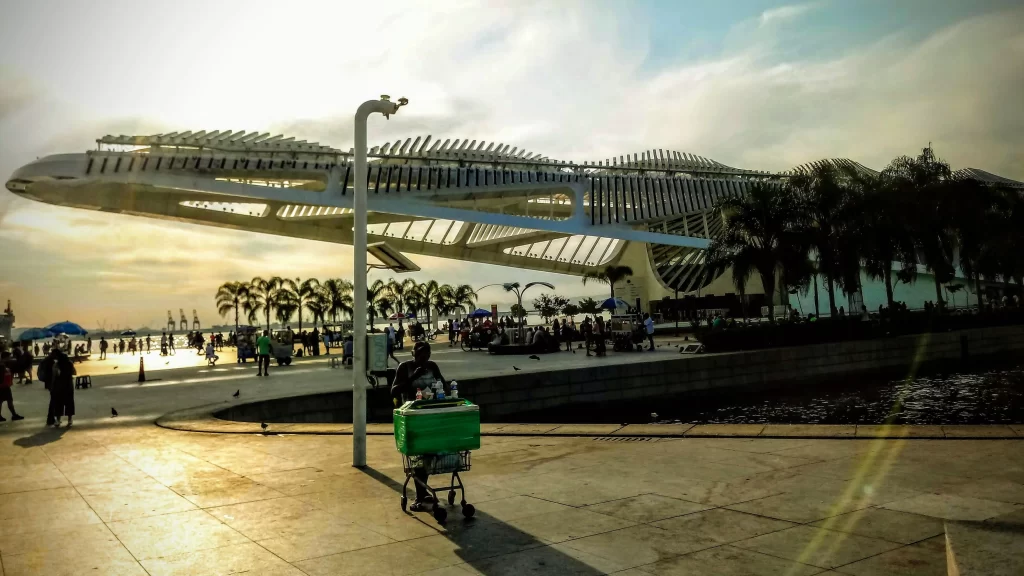
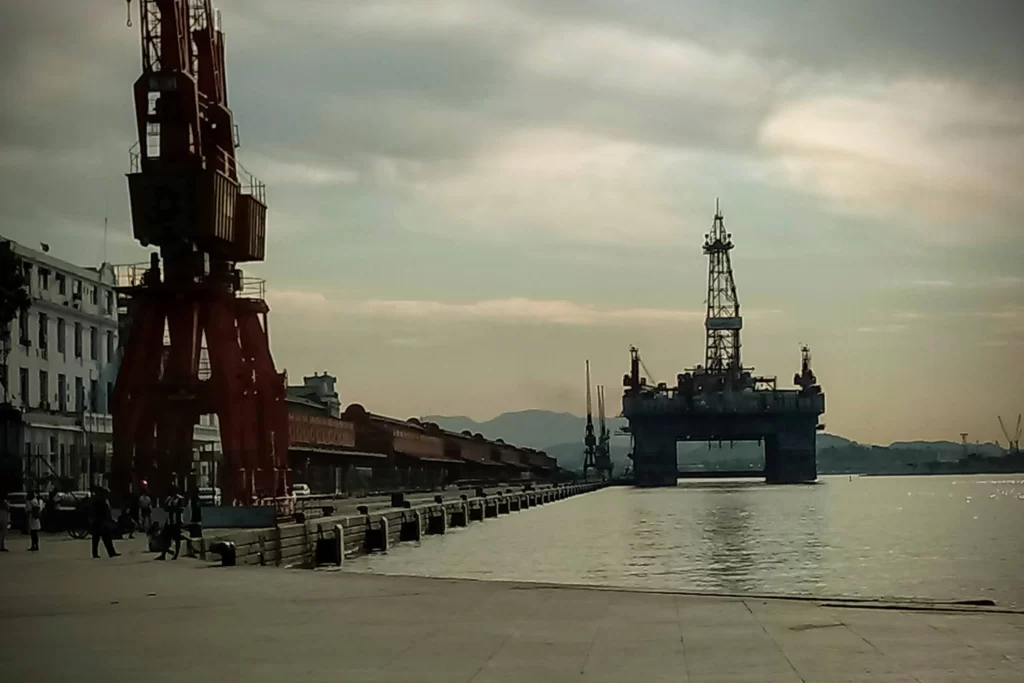
The G20 summit is being held inside Praça Maua and The Boulevard, a group of restored dock warehouses now used for events and conventions, within the port area, offering a beautiful view of Guanabara Bay. I am now living in the port area of Santo Cristo, an old, traditional neighbourhood that is being revitalised with new condominiums. The summit is about a 10-minute walk from my home.
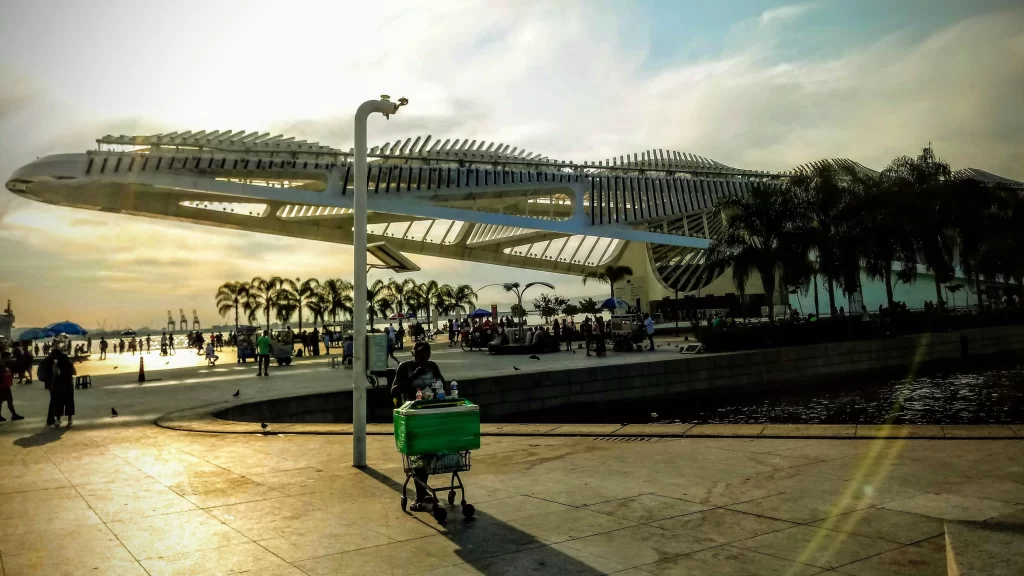
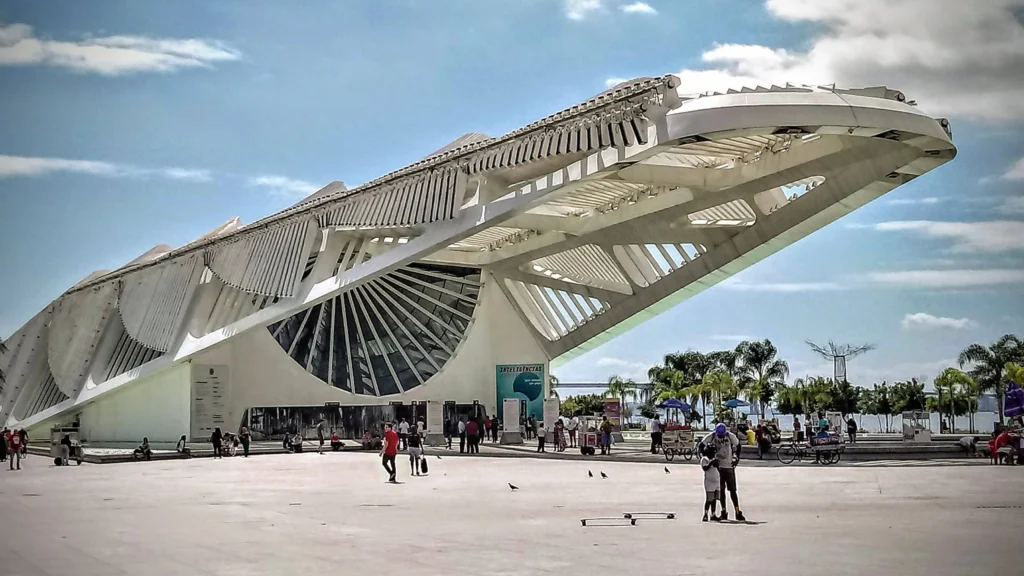
All this area, The Museum of Tomorrow, designed by the Spanish architect Calatrava, who was also responsible for remodelling Valencia’s port area, are quite exceptional and very close by. Praça Mauá, the museum, The Boulevard, and the old port warehouses were all refurbished as part of preparations for the Rio 2014 Olympics.
The aim of the local, state, and federal governments was to make Rio like Barcelona after the 1992 Olympics, which effectively transformed Barcelona into the city it is considered today.
Sadly, in Brazil, especially in Rio, what was initially promised with all the marketing hype turned out to be only a fraction of what was delivered. I remember that in the months before the games, many projects were only half-finished, and some were cut to ensure that the more advanced projects would be ready on time, with wet paint still drying on the opening day.
Many temporary and permanent stadiums, fixtures built for the games, were quickly abandoned and fell into disrepair shortly after 2014. Brazilian culture faces a serious problem with effective management, but even more so with maintaining what has been constructed after it has been handed over.
It is clear that this is very much a political phenomenon in Brazil, where something is restored or built as a showcase for the next elections; whether that politician responsible is re-elected or not does not really matter, only until the next elections. Until then, whatever was built or restored is either forgotten or abandoned.
It is very sad for the population, disappointing, and quite cheap; it reflects hollow, superficial behaviour. Surprisingly, many still choose to look the other way.
Fortunately, one of the positive legacies from the Rio 2014 Olympic Games was the remodelling of Praça Maua, the Museum of Tomorrow, and the surrounding area. Currently, the G20 summit is being held where the Olympics were originally projected. However, I don’t think they foresaw the real benefits of their actions ten years ago.
I remember once the famous English gold medallist runner, Sir Sebastian Coe, in a documentary, who was then the president of the London committee for the London Olympics. He kept emphasising the importance of the legacy, highlighting that the event, the spectacle, and the show are obviously very good and important. However, what is more significant and vital for the future of any country, area, or community is the legacy that follows afterwards.
And this is a problem in Brazil!
I have visited the Museum of Tomorrow several times with Jessica, Yasmin, and friends. I always think it is beautifully designed and projected; it truly is quite impressive to see, but like so many things in Brazil, it is poorly executed and constructed.
People are often very good and kind, but they are extremely poorly managed and paid. As a result, if you do not value me, why should I value myself, my work, or anything else related to me, my life, my environment, and so forth?
And this is the feeling I often get in Brazil!
There is always a feeling of worthlessness in Brazil regarding what you do. Once again, people with money, the middle or upper classes in Brazil, sometimes give the impression that they are doing you a favour while paying you so little.
It truly is quite sad and demoralising for a society and economy that could be much more than they currently are.
So, I took a walk around the port area, but because of the heavy security for the G20, many roads and places were blocked off or closed. On the way back, I drank a beer and bought some eggs from my favourite Portuguese bar, dump.
As always, Julie and I talked a lot.
In bed by 9 p.m.
Thank you.
Thanks for reading this blog post. Please explore my other posts and share your thoughts in the comments section.
Richard