Journalled on Sunday, 24 September 2023 | Flamengo, Rio de Janeiro: 35 degrees, very hot and sticky.
Sunday was similar to yesterday.
I was up early and worked out at the park with Perola. Nowadays, she is my faithful companion when exercising at the park and when walking around the neighbourhood on the way home.
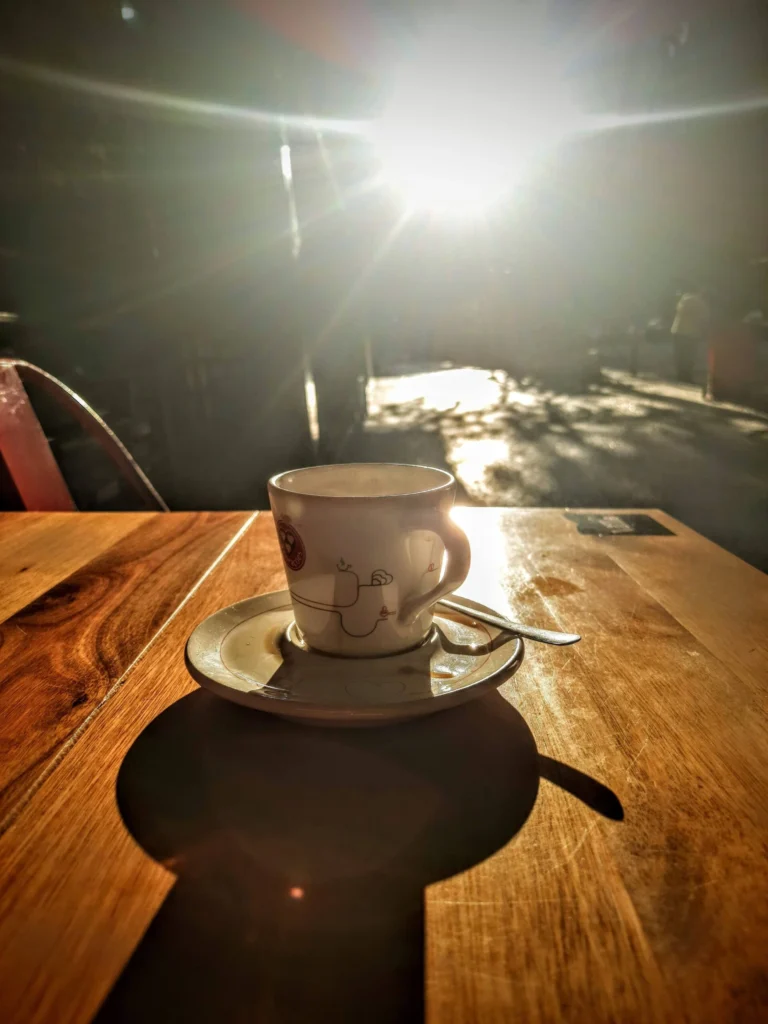
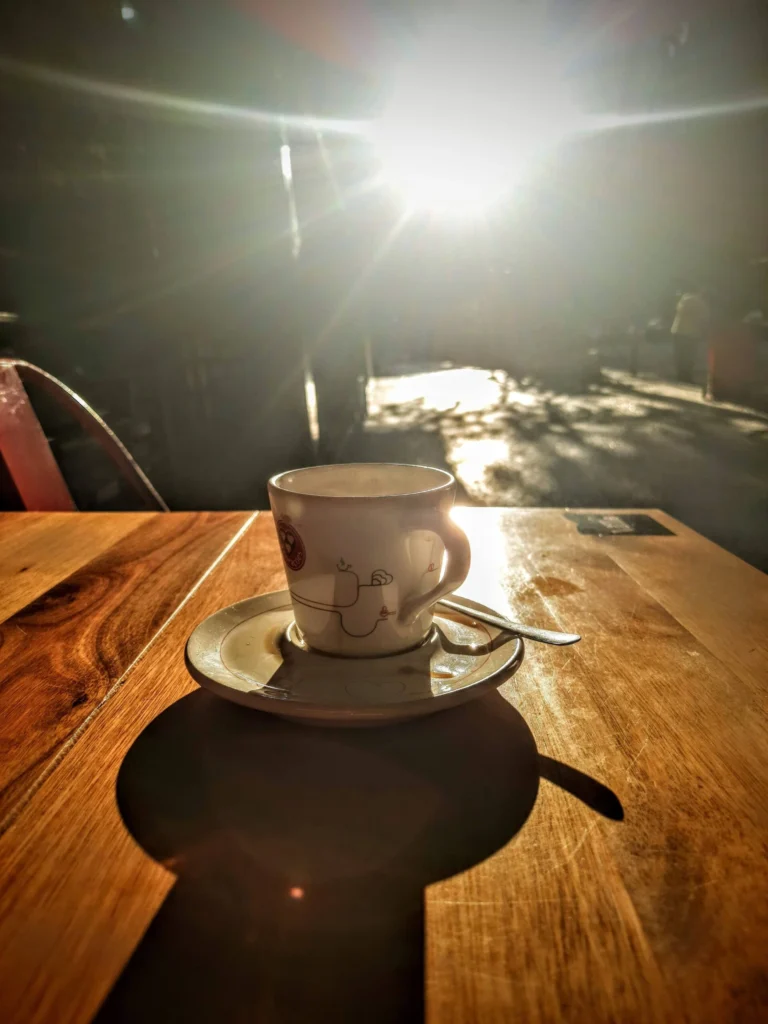
I must not forget the coffee I had earlier before anything else. It is second nature for me to get up, go to the toilet, wash my face, apply sun cream, change clothes, and grab my small pump bag, which contains a mini wallet with money and cards, pens, and my notebook or journal.
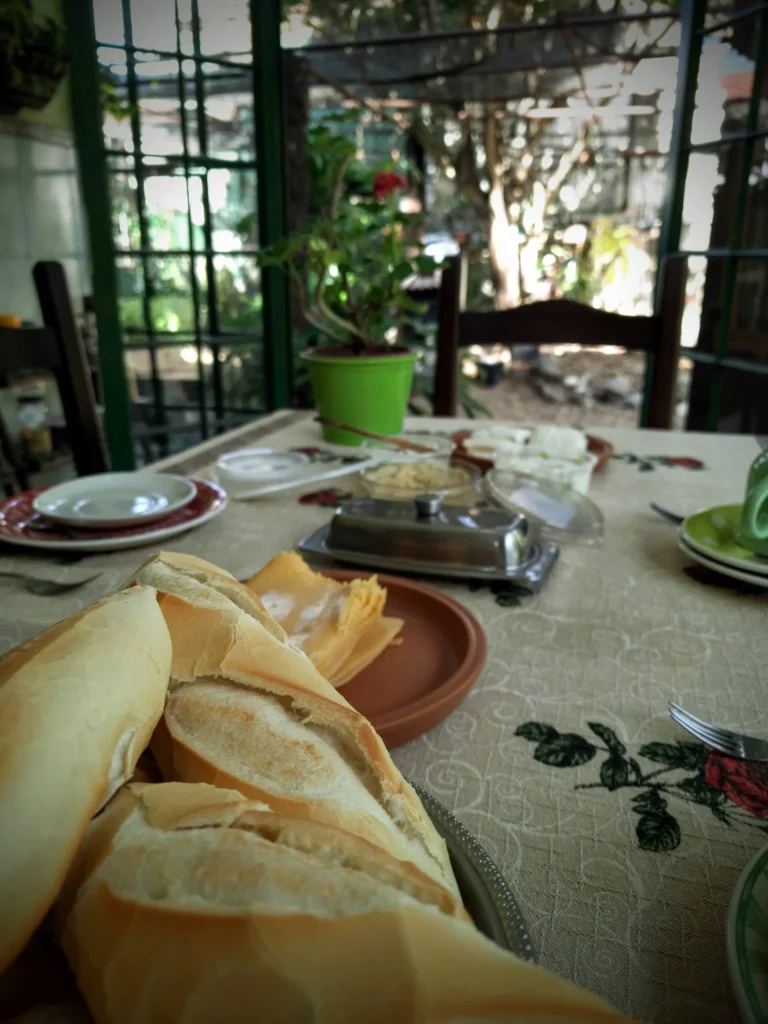
The Portuguese bakery opens at 6 a.m. If you arrive early, several people are already waiting outside for it to open so they can enter. The entrance to the bakery is open-plan, with no doors or windows, so it is very large. While waiting outside, you can see the employees having breakfast before they begin.
Some people seem eager to buy bread, making it clear they do not want to wait too long and are in a hurry. It is as if the world is ending, and they must have bread for breakfast before it is too late, especially on Sundays.
Sometimes the shop manager lets waiting customers in before 6 a.m., even if the employees are still sitting and having breakfast. I do not enter because, for me, it shows a lack of respect for them. As soon as I can see that they are up from their tables and the tables and chairs are free and in place, then I enter, greeting anyone I pass with a good morning.
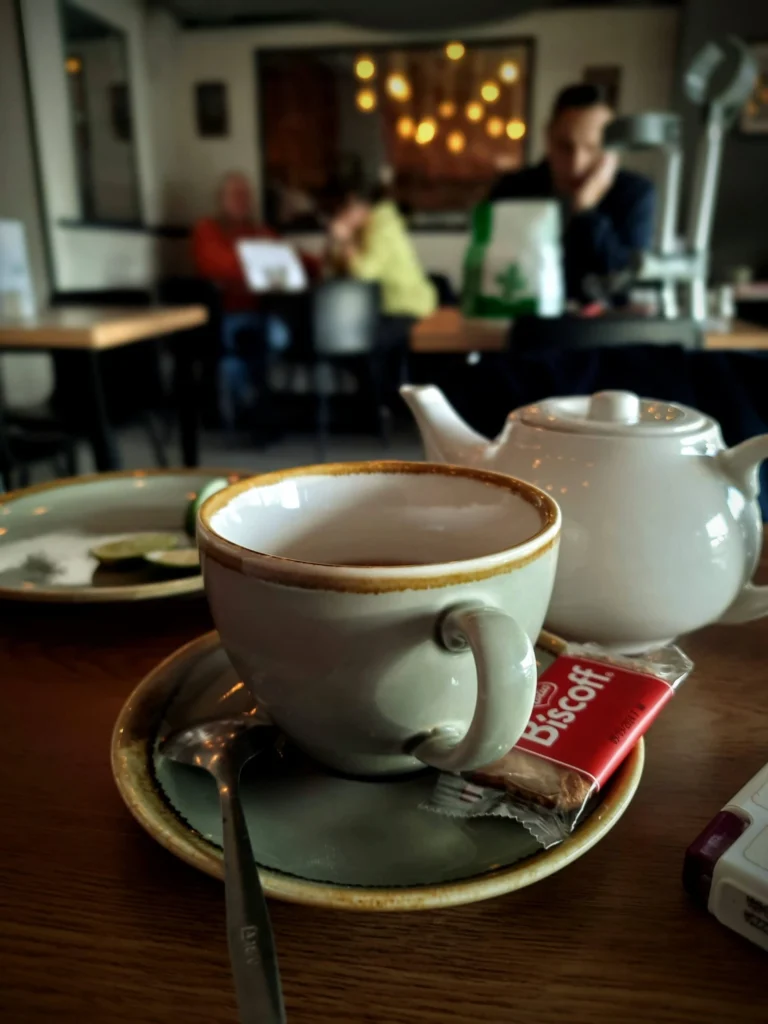
The rest of the interaction is verbal until I need another coffee, which is served in a matter of seconds with little need for words. Of course, I am neither rude nor arrogant for staying silent. I have been doing this for quite a while and have built a rapport with some of the girls there, especially a respect for the young single mothers who are trying to make a living.
Women mainly run the bakery and cafe, with occasional male employees. While men work in other parts of the bakery, the cafe is predominantly staffed by women, often young girls starting their working lives. They may come from very far-off neighbourhoods, such as favelas or slums, from very impoverished parts of Rio, or from neighbouring towns with a much lower cost of living.
I have been coming to the bakery since May, and it is already September. I have lost count of how many girls have come and gone. Why is that?
The bakery is well-run, and everything is clean and tidy. It is run like a Swiss watch, a tight ship. It is clear to me who the owner is, and he seems a little over-pushy and demanding, which is normal, as it is his own business. However, the turnover of employees is exceedingly high, much higher than normal and what it should be.
Is it also because the girls are unable to handle the hard work, have to get up very early, and are being pushed so hard by the Portuguese owner? That is very boring, inconvenient, and difficult. Is it also because it is a dead-end job with no future, and because of the high demands and low salary, that no one stays?
When I was thirteen, I worked in a bakery in Wollaston for several months.
I had to be there by 5 a.m, so I had to get up even earlier, as it was about a two-kilometre walk from where I lived. Waking up so early in pitch-black darkness was tough, especially for a young teenager on a cold English morning. Now, as an old man, I do it for free every day.
I remember seeing my breath in the chilly air outside. I worked from 5 a.m. to 2 p.m. I did not enjoy the work very much and eventually left, but it was an experience, and all experiences are good in some way.
I did not consciously learn anything from it at that time. The only responsibility was to arrive on time, which is still important today. Would I do it again? As I now know, making good bread for people is an art. It is an extraordinary art that makes people so happy; besides the smell, eating good bread is an incredibly special and happy experience.
Probably I would!
Serving people well is an art; these professions and services are, in some ways, traditional. Doing them very well is difficult, but when they are done well, they are exceptional and should be respected. The people who do them should be admired. I am obviously talking about trades from the past that are, little by little, dying out.
The butcher, the baker, the candlestick maker, the bricklayer, the cobbler, the mason, the electrician, the plasterer, the painter, and many others. These trades are impressive and genuinely pleasing to see when done well. It is a pleasure to know the people who master them. Like all trades and arts, they need to be valued and appreciated, because like the policeman or the street cleaner, our lives would be much, much worse.
I spent the entire Sunday afternoon working on “The Long Gringo,” creating, preparing, and posting content. Some tweaks are still needed on the site, but it is improving every day. My plan for the coming week is to finalise the second site, “PlaceBeads,” and I will start working on it tomorrow.
As usual, Nalva cooked an excellent late lunch, and Yasmin is still not talking to me, but everything is good.
Be kind and be happy, and if you can’t be happy, still be kind, but not naïve!
In bed by 10 p.m.
Thank you.
Thanks for reading this blog post. Please explore my other posts and share your thoughts in the comments section.
Richard