Journalled on Monday, 11 September 2023 | Flamengo, Rio de Janeiro: 26 degrees, hot, sunny and slightly cloudy.
Last weekend was scorching, and today is no different. It will be 30+ degrees Celsius, which is a crazy high temperature for winter.
My Facebook friends from England complain when it is 28 to 29 degrees in the English summer, saying their clothes stick to their skin and it is too hot.
In Rio, the temperature often reaches 35-40 degrees Celsius in summer. It is so hot that you must take two or three showers a day to stay refreshed. Sometimes you sweat again right after a shower, so you need to take another.
The summer in Rio is sweltering, and it feels like living inside an oven turned up to the maximum. If you do not have air conditioning at home, it can be a serious problem.
Living in a climate with extreme temperatures poses challenges, especially for those working in modern offices with powerful air-conditioning systems. The contrast between low indoor temperatures and high outdoor temperatures can cause discomfort and health issues for many people, including colds and allergy exacerbations.
During the first few years of running the school, the classroom did not have an air conditioner because I did not have the money to buy one then.
Teaching classes in the summer was unbearable for everyone, and many pupils complained. Finally, I found a way to buy an air conditioner, which was a relief for all, and fortunately, nobody had died.
Before we had an air conditioner, we had to leave the door open to let air circulate. Another factor contributing to heat is latent heat, the heat emitted from our bodies. In a confined space of about ten square metres with six or seven people, the body heat made the room very hot, in addition to the ambient temperature.
It is like going to a nightclub at the beginning of the night, when it is not so crowded, you can feel the strong air conditioning, and it is quite chilly. As the night goes on and more people fill the room, you suddenly feel the heat and start sweating a lot, not because you are dancing, but because there are so many hot people giving off warmth that the air conditioning is not strong enough to compensate.
It’s the Matrix theory of human batteries.
The English are well-known for their obsession with the weather. When two English people start a conversation, they most often talk about the weather, and when they have nothing else to say, they tend to talk about it even more.
The weather is part of their heritage to talk about. When you watch a YouTube video from England, there will likely be a comment about the weather. If the weather is unfavourable, the comment is usually negative, with an air of disappointment or frustration. If the weather is favourable, the comment is often one of surprise, as it is unusual or scarce.
My late uncle Mick, who was like a second father to me, passed away about two years ago.
I considered him a true gentleman; he was always correct, saying the right thing and doing what was right. When my father disappeared, he was there for us. I have been living in Brazil for a long time, and there was a period when we lost contact for a couple of years.
However, I found a way to reconnect, and I would call him at least two or three times a month, if possible, to check whether everything was okay with him, including his health. Every time I asked about the weather, it was raining.
In England, rain is usually associated with cold weather, but in Brazil, especially in Rio, a tropical city, rain can be warm, with heat. Tropical storms and rain showers in the summer, usually in the afternoon, are as if someone had turned on a tap, and suddenly a heavy shower comes down on top of us for half an hour, and the same way it suddenly starts, it then stops.
Sometimes the climate can be slightly cooler due to a sudden downpour, but it is never cold. It is strange to experience rain in a warm or hot climate.
One thing that concerns me about going to England is the weather, the rain and the cold.
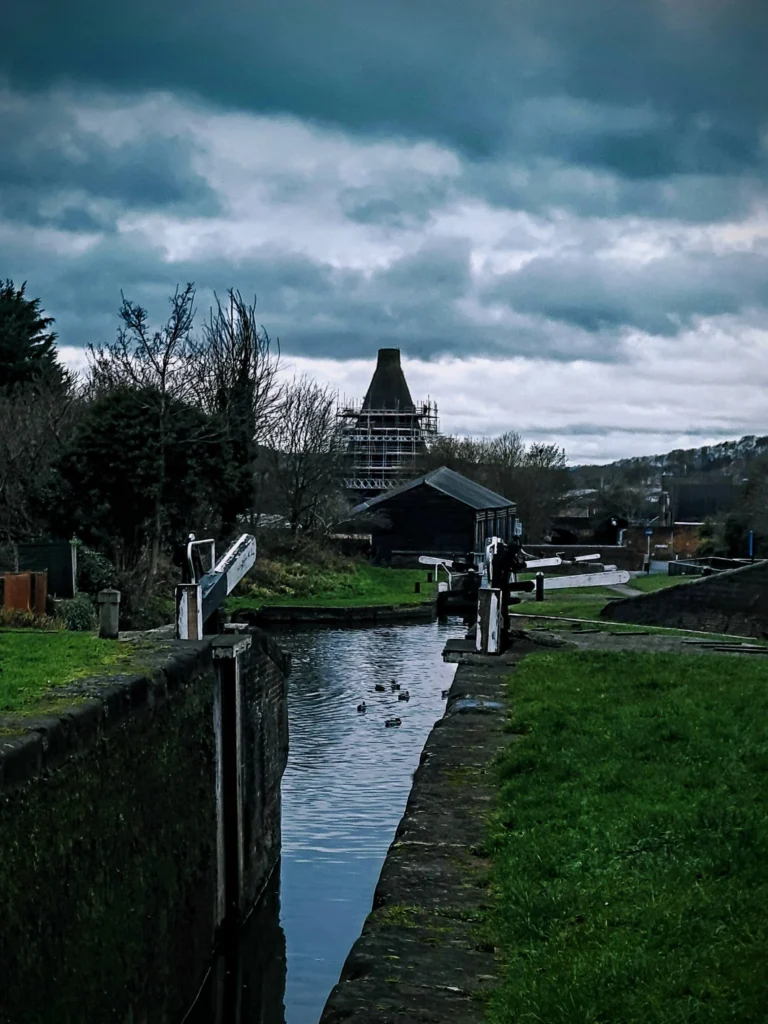
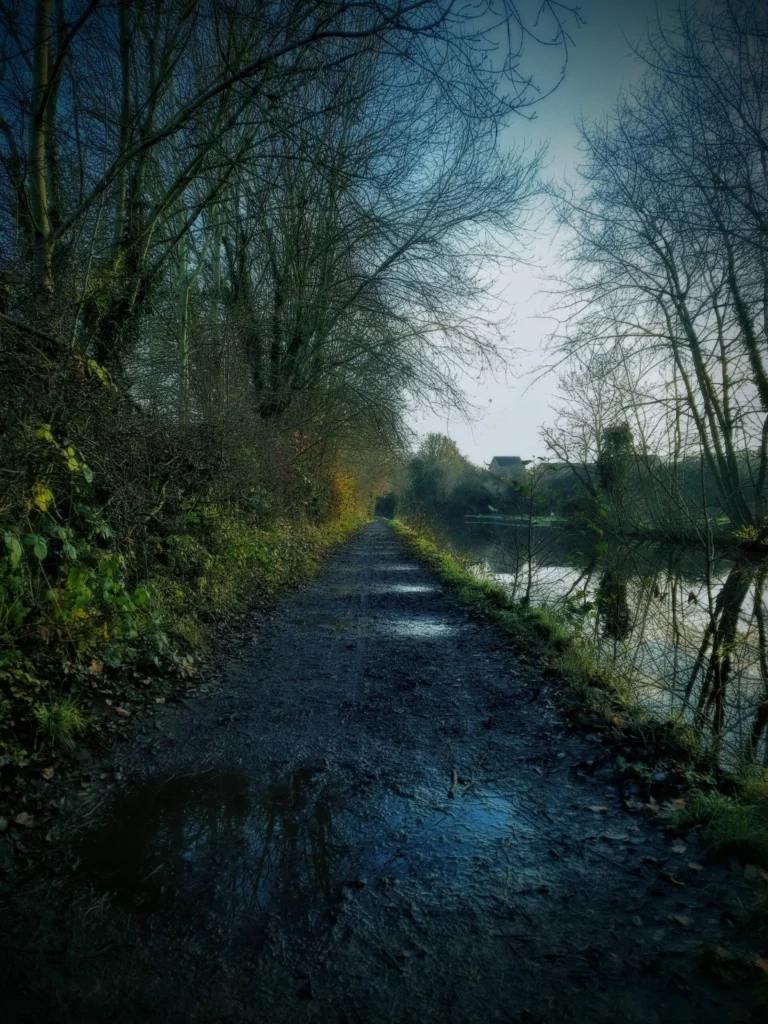
I will be arriving at the end of November, at the beginning of winter. I intend to be active when not working or teaching. I plan to go for long walks along the canals to keep up outdoor exercise and avoid being stuck inside at home because of the cold.
My mother lives near the canals and waterways built during the imperial and industrial eras. When I was a child, I used to go fishing along the canals behind my house.
I spent many good days fishing, walking, and cycling along the canals. It was a genuinely fantastic way to experience the English countryside. The only thing that could not be guaranteed was the weather, though it was still quite beautiful. One thing I always wanted to do there was to take many photographs along the canal.
The canals were initially built and used to connect towns and factories, transporting large quantities of manufactured goods, commodities, and raw materials by barges and longboats. Two hundred years ago, the principal form of transport for goods was along the canals.
The barges, or narrowboats, were long, narrow steel boats that could carry large loads, with a horse walking along the canal pathway, pulling the barge with ropes from one place to another.
This was obviously before the invention of the car, the truck, and similar vehicles. For many years, the network of canals in England was the main highway for transporting large quantities from one factory to another, from one town to another, or even to a port for export.
The canals still exist today, but are no longer used commercially to transport large quantities of goods. Instead, they have been transformed into a public park showcasing English history. People can now walk along the pathways, exploring the beautiful English countryside while getting closer to nature.
For tourism, it is possible to rent or buy a narrowboat and go on holiday in the English summer, travelling up and down the canals from one town or place to another.
Many pubs and unique places near or along the canals make the journey memorably pleasant. Travelling along the canals at a steady, breaking-neck pace of around three kilometres an hour offers a leisurely experience, with beautiful views of nature on either side. Travellers can stop for lunch or even stay the night in towns by the side of the canals.
Some people nowadays buy a narrow boat as an alternative way of living.
These boats are usually made of steel, making them exceptionally strong and well-insulated against the cold, typically with a gas, electric, or wood-burning heater. If you do not stay in a marina, you need to buy a licence, and every 15 days you will have to move on to another spot.
This is something I would like to try in the future, maybe for six months or a year, whether alone or with a partner, living on a narrowboat.
In the morning, I took Perola to the park. As usual, she made friends with many people, and I worked out. I taught classes and worked on the websites for the rest of the day. I need to make some changes to “Long Gringo” and have restarted “Place Beads.” I also need to buy silicone to make bracelets and clarify some size questions. Tomorrow, I will go to a supplier in Copacabana to take care of this.
My main focus is on exercise classes, websites, and money.
In bed by 9.30 p.m.
Thank you.
Thanks for reading this blog post. Please explore my other posts and share your thoughts in the comments section.
Richard